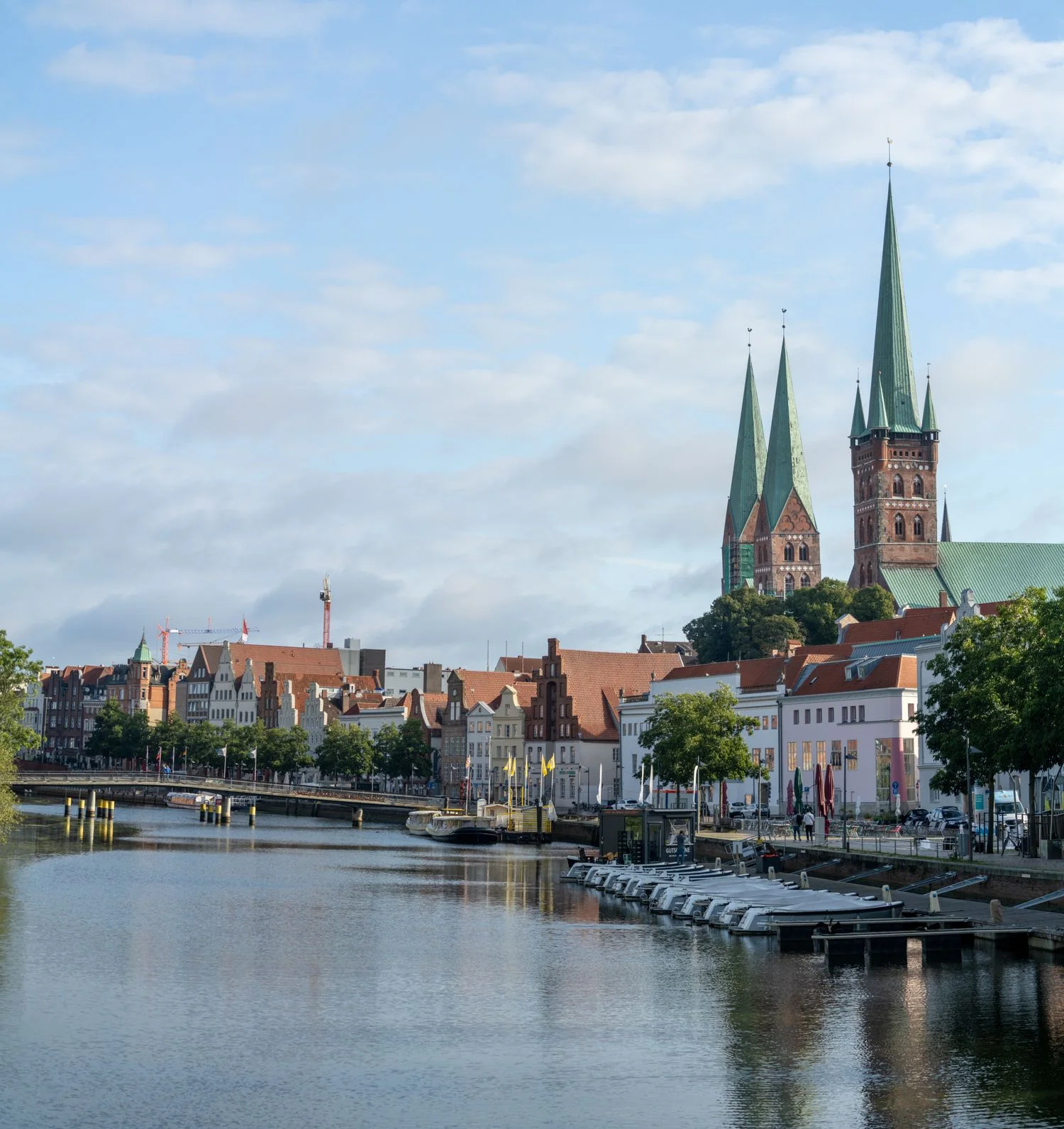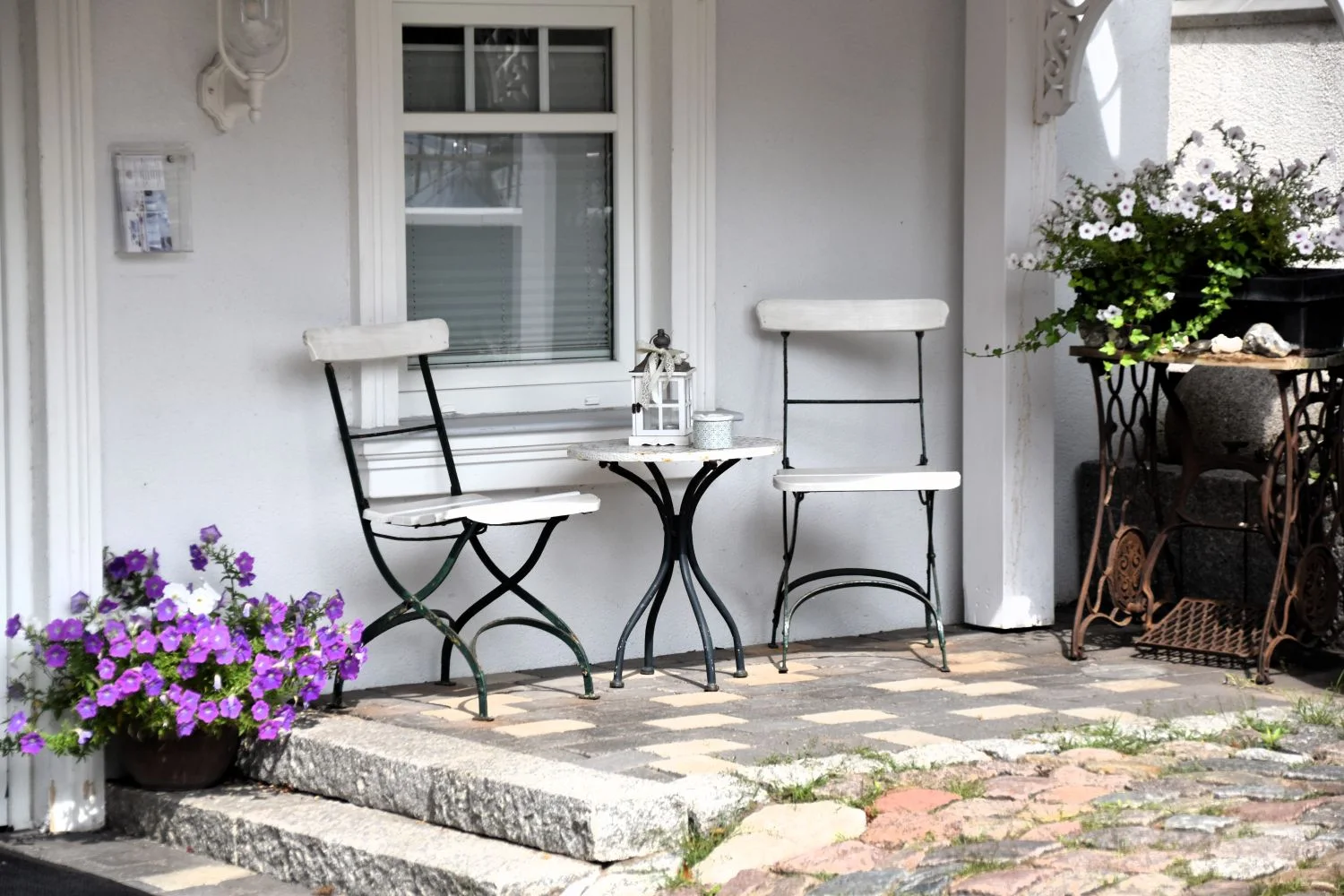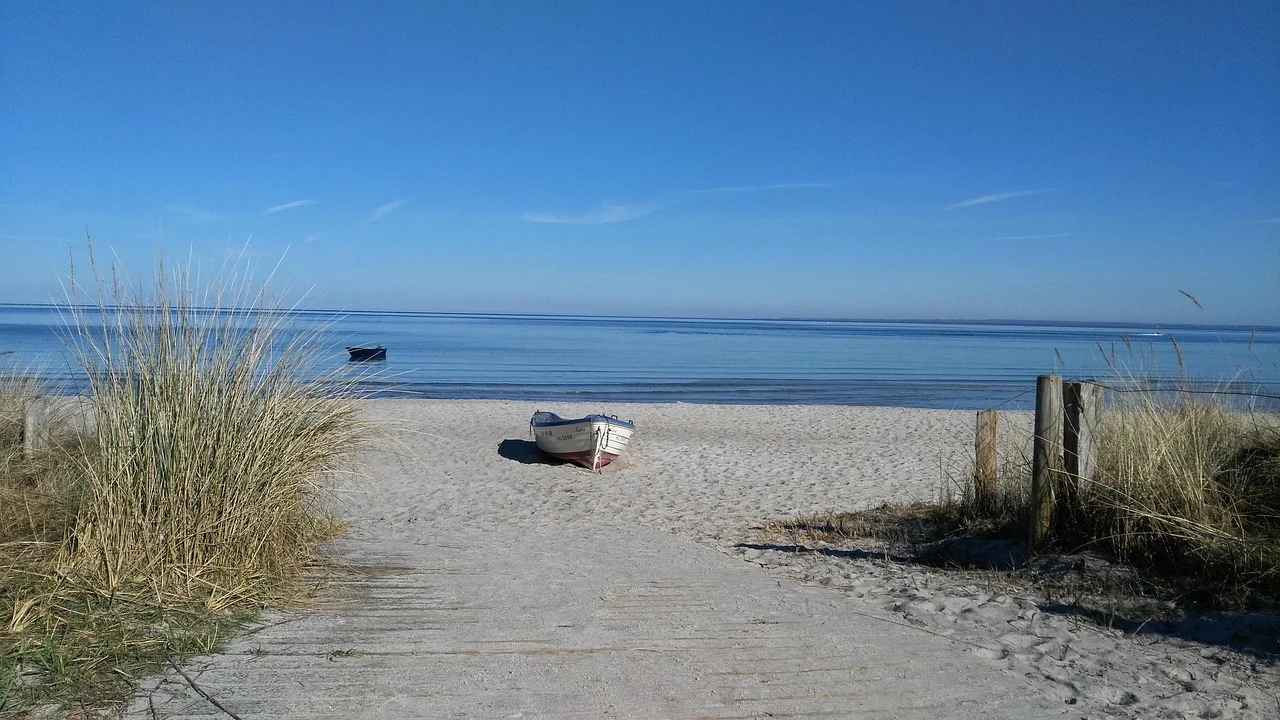
On Fehmarn, accommodation location strongly shapes the holiday. Burg and the island's villages are not interchangeable versions of the same beach address. Visitors needing shops and access to several facilities have different requirements from those planning to spend most of their time in one coastal area.
Burg is a town base, not automatically a beach location
Burg may work well when shopping, eating out and a more town-based routine matter. Still check the particular street. A central address may involve traffic or a walk from the parking space; an edge-of-town location may simplify unloading but add walking later. The name Burg alone establishes neither quietness nor proximity to the beach you want.
Also distinguish Burg from Burgtiefe and the South Beach. Booking platforms often display island names and larger place names together. Find the complete address on a map and mark the actual beach entrance. If you expect to return to the apartment at lunchtime, consider that connection as a repeated daily journey rather than a one-off excursion.
A village works when its surroundings support the stay
A village base may suit a longer stay, cycling or days concentrated in one part of the island. It does not automatically mean direct sea access. Fields, roads or protected land can separate a house from the shore. A straight line on the map should never be mistaken for a permitted walking route.
Ask about supplies and mobility. Can you shop on foot, or does every grocery trip require the car? Is there a secure place for bicycles? How would you reach the accommodation on arrival without your own vehicle? A nearby bus stop is useful only when the timetable fits the journey and the routine you have in mind.
A farm stay raises additional questions: which areas are open to guests, which remain working spaces, and where is the apartment itself? Agricultural surroundings can bring noise and activity. That is not a defect, but it should match expectations. Animals in a photograph do not establish that supervised children's activities are provided.
Choose the coastal setting before the property
Official tourism information describes a variety of beaches and shore types around Fehmarn. Before searching for accommodation, decide what you actually want: a sandy beach with facilities, walks along a natural shore, or proximity to a particular activity. These wishes can lead to different parts of the island.
Choose one main priority and no more than two additional excursion destinations initially. Plot them together with potential properties. If every destination lies on one side of the island, an apparently central address may offer little advantage. Equally, a remote property may generate many extra journeys if you expect to visit several attractions every day.
Separate arrival transport from daily transport
Reaching the island and moving around during the stay are different tasks. The regional tourism website currently refers to rail replacement transport in connection with the Lübeck–Puttgarden route. Do not rely on older promises of direct trains. Check the specific journey for your date, including changes, luggage and the final section to the accommodation.
When arriving by car, make a simple list of the journeys you would still need afterwards. A cheaper apartment may become less suitable once daily driving, parking and organisation are included. Without a car, make sure returning after dinner is realistic rather than depending on an unconfirmed connection.
The useful conclusion is not that Burg is better or villages are prettier. It is something more specific: this address supports our beach routine and grocery shopping without unnecessary detours. The more clearly you describe an ordinary holiday day, the easier it becomes to recognise the right Fehmarn base.