Accommodation beside the Schlei and accommodation on the open Baltic can both offer water views, yet support very different holidays. The Schlei is an inlet extending inland. Its shores, settlements and crossings need a different spatial plan from a long beach on the outer coast. The better choice depends on what you actually want to do beside the water.
Separate a water view from a swimming place
A house directly beside the Schlei may suit walks and unhurried time outdoors. That does not establish that there is a publicly accessible swimming place outside. Shores can be private, vegetated or protected. Ask about an explicitly usable access point and its surface if swimming is an important part of the trip.
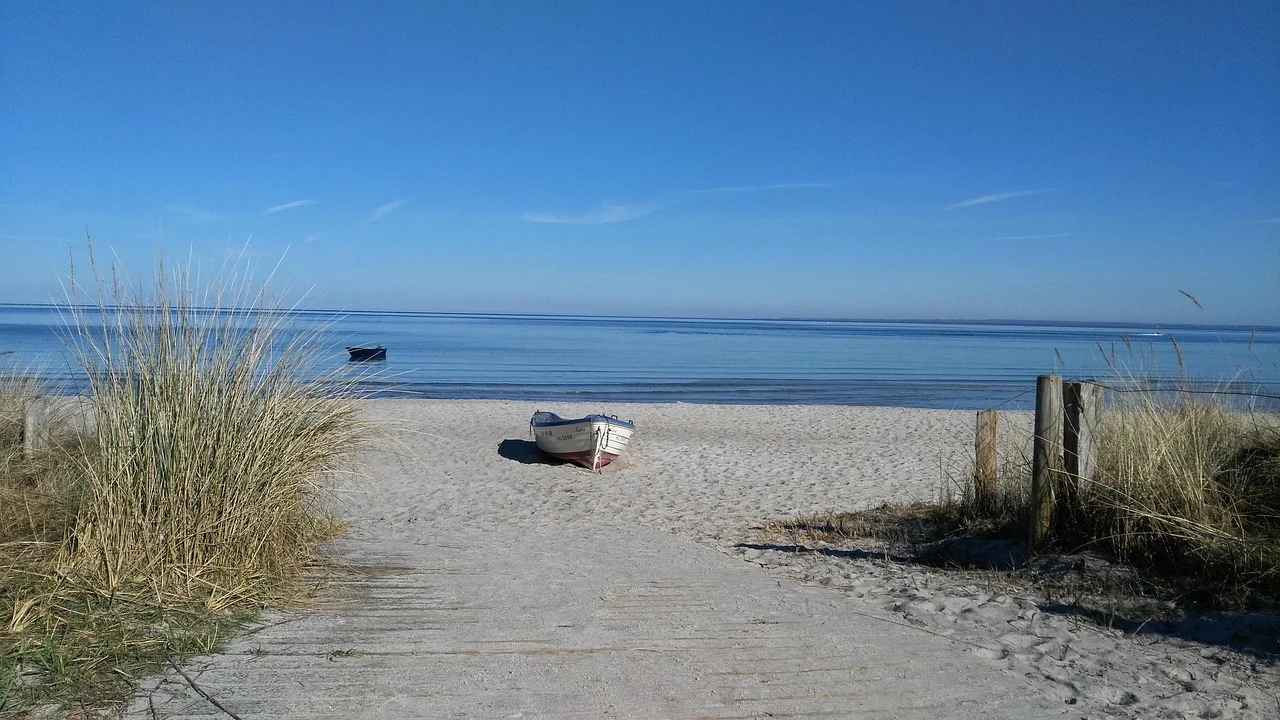
The precise entrance matters on the open coast as well. Sand, stones, dunes and cliffs create different routes and possibilities. An address described as “on the Baltic” may involve a slope or a longer walk from the property to the beach. Compare the complete route to where you want to spend time, rather than simply the distance to water.
Which setting should shape the day?
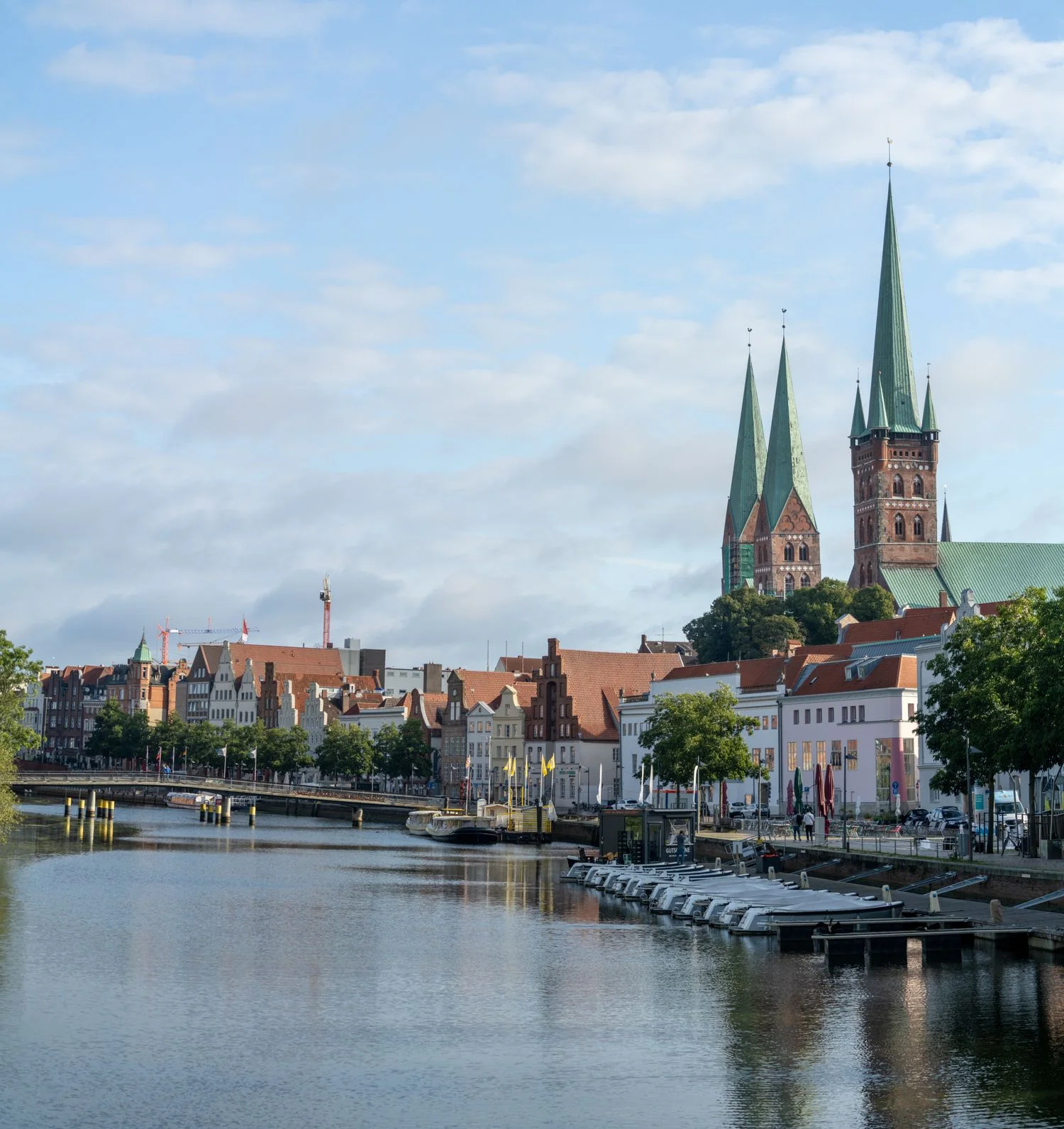
If small harbours, villages and a mixture of culture and landscape appeal, the Schlei can be the main focus. Schleswig and Kappeln provide different bases from a small waterside village. The official tourism organisation presents these areas separately; their differences are more useful for accommodation decisions than the idea of a single uniform holiday region.
If most days should involve sand and an open horizon, look for a suitable stretch of Baltic coast instead. A day trip to the Schlei remains possible without commuting from the accommodation to your preferred beach every morning. Conversely, one beach outing may be enough from a Schlei base when swimming is only a secondary interest.
Crossings belong in the route plan
Destinations on opposite shores can appear close on a map. The usable route may nevertheless depend on a bridge or ferry. Check that connection for your mode of transport and travel date. A ferry symbol does not guarantee a service that suits an early start or late return.
On a bicycle outing, plan the return as clearly as the outward route. If a crossing is unavailable, the alternative may be substantially longer. Avoid making the first day's success depend on several unconfirmed connections. A smaller area with a straightforward return can already give a strong impression of the landscape.
Two examples of choosing a base
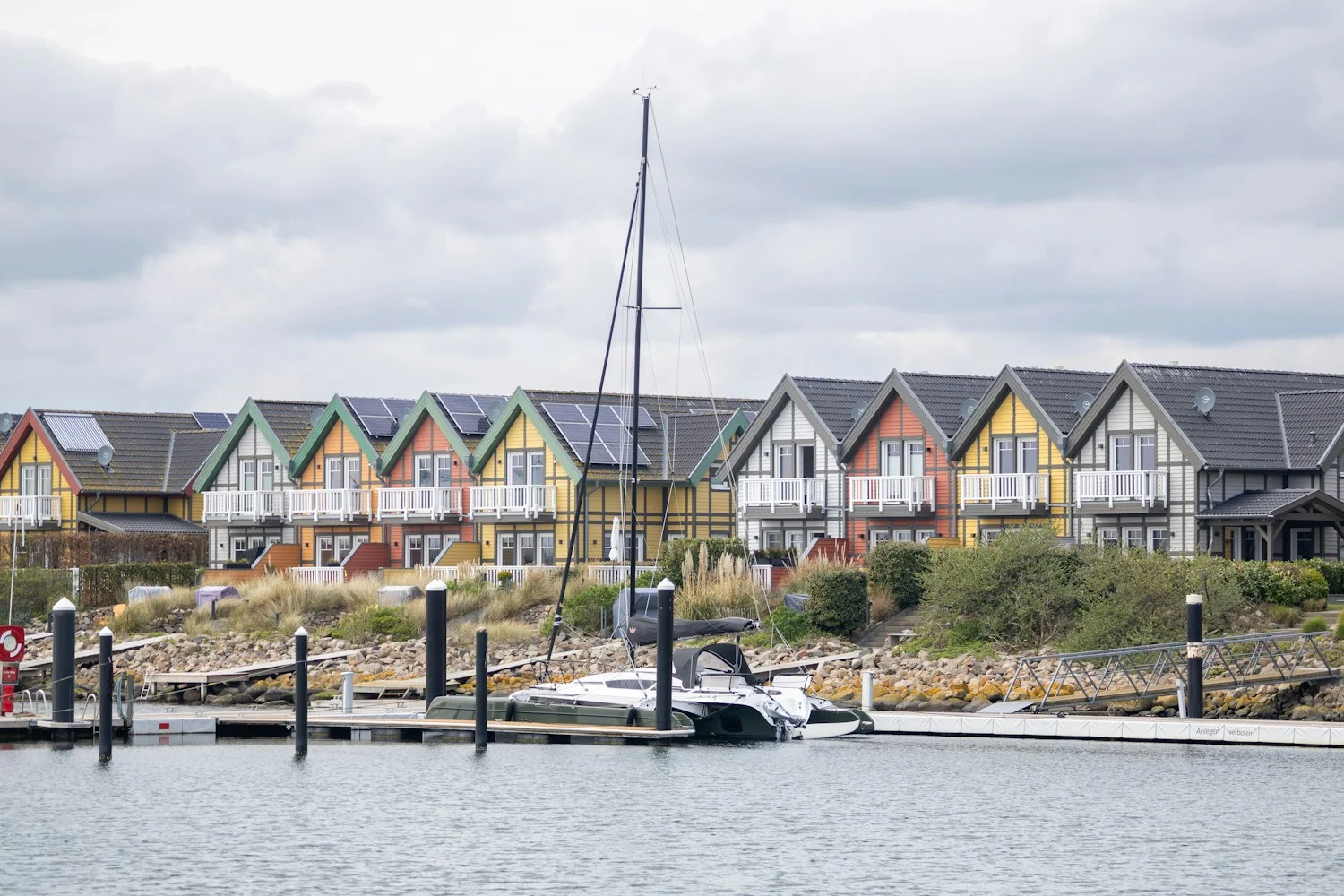
For four days involving museums, harbour walks and just one beach trip, a more urban Schlei base may work well. For a week with several hours on a sandy beach every day, coastal accommodation near a suitable entrance is more compelling. Neither choice requires touring the entire region daily.
Finally, compare evening journeys and supplies. A view used only briefly from the window should not outweigh every other need. The right setting is the one where your chosen activities are possible without disproportionate effort.