Three days on Fehmarn become easier to manage when each day has a limited geographical focus. This suggestion is not a signed route, but a method for a first stay using one accommodation base. It deliberately leaves the exact beach open, because wind, location and personal preferences may change which coast suits the day.
Set three points before travelling
Mark your accommodation, one desired beach entrance and one further island destination. Add groceries afterwards. This small map is sufficient initially. A list involving lighthouses, harbours, wildlife and several beaches on every side of the island can quickly produce more travel than time spent in places.
Check arrival transport for the actual date. The regional tourism website refers to replacement services in connection with the Lübeck–Puttgarden railway route. Do not carry forward older claims about direct trains. Without a car, the journey from the arrival stop to the accommodation must also be clear.
If hiring bicycles, establish collection, return and equipment beforehand. A bicycle extends your range, but does not remove the need to assess wind and fitness. Flat terrain can feel more demanding in a headwind than it appears on a map. Avoid scheduling a long ride immediately after arrival.
Day one: Burg or your immediate surroundings
Use the first day to settle in. If staying in or near Burg, combine a local walk with shopping and a meal. If the property is elsewhere, keep the first outing in that area instead. Burg does not need an immediate visit simply because it appears central on many planning maps.
The main achievement is a functioning base: keys collected, supplies available, the beach route understood and an evening return without searching. If time remains, a short visit to the water is enough. A late arrival day can legitimately be shorter than a full holiday day.
Also distinguish Burg from the South Beach at Burgtiefe. If visiting both, plan the connection deliberately. A town walk followed by a brief coastal view is different from a full swimming day, which needs appropriate equipment and enough time free from further appointments.
Day two: spend longer in one coastal area
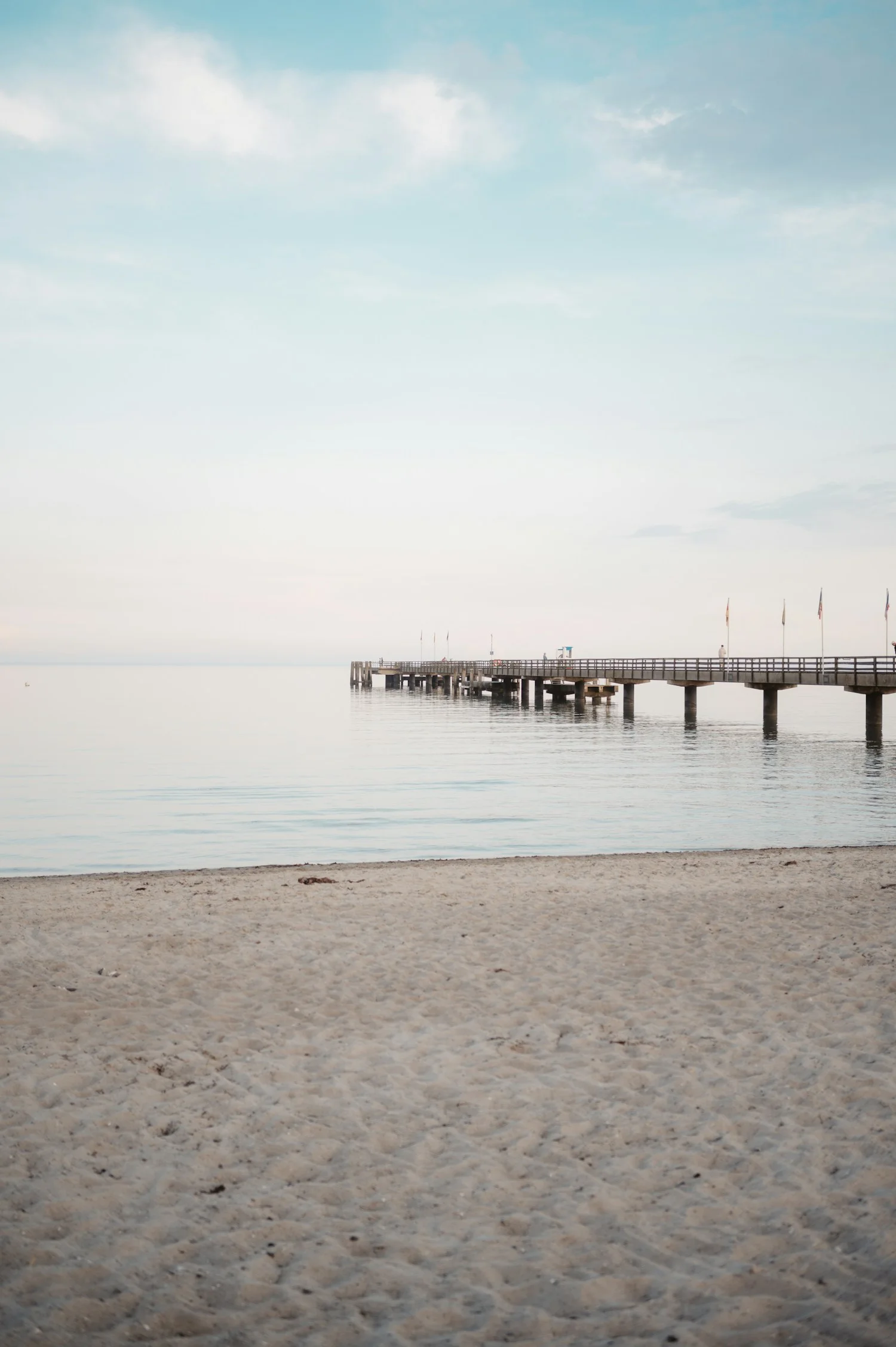
Choose the beach or natural shore that fits the weather and your interests. Official tourism information describes different coastal types around Fehmarn. This does not mean swimming is appropriate everywhere. Local notices, access and current conditions remain decisive.
Allow a long, uninterrupted stay on this day. A beach plan does not need a distant lighthouse added afterwards. If walking is more appealing, choose a turning point and take a break in the same area. A known return destination makes it easier to adapt the distance to the weather.
When watching wildlife, distance matters more than obtaining a particular photograph. Use designated paths and observation points. Binoculars help you look without crowding animals. If access is closed, change the plan; a visible track through vegetation is not an alternative.
Day three: choose a different island setting
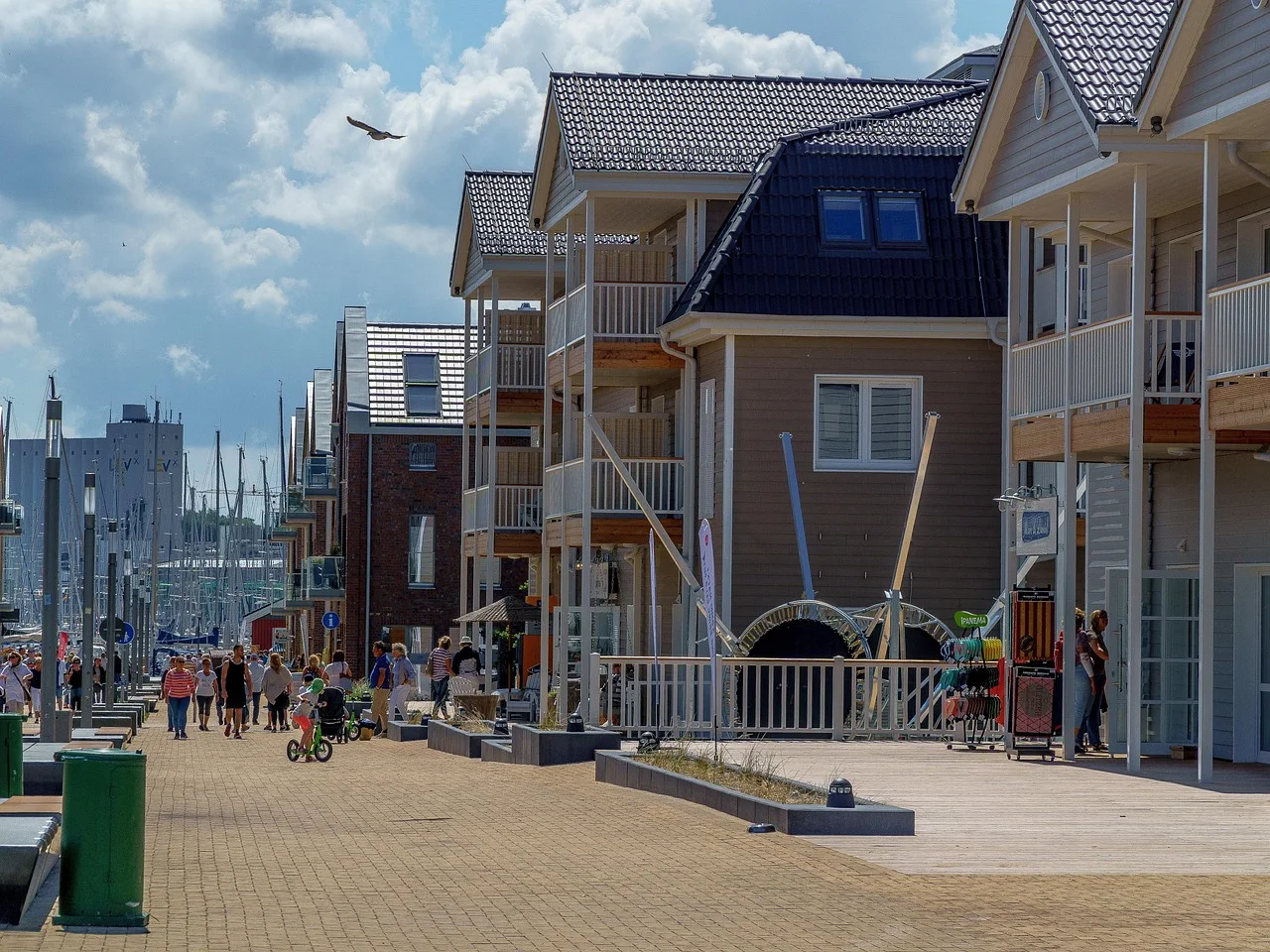
A harbour, village or deliberately selected second stretch of coast can provide contrast on the third day. Choose only one main area. If departing that day, it should fit the onward route rather than require a tight crossing of the island.
A longer stay lets you rearrange these days around wind and weather. A pre-booked indoor visit may be a fixed point while the outdoor sections remain movable. Avoid arranging several weather-dependent activities so closely that one change disrupts the entire trip.
What you can leave out
An unvisited place does not make a holiday day unsuccessful. If a beach suits you, returning may be worth more than adding another map pin. Time at the accommodation can also be the right choice after a tiring journey.
The three days should provide different impressions without each day needing to show every side of Fehmarn. A fixed base and clearly limited daily areas make the stay easier to understand, particularly on a first visit to the island.