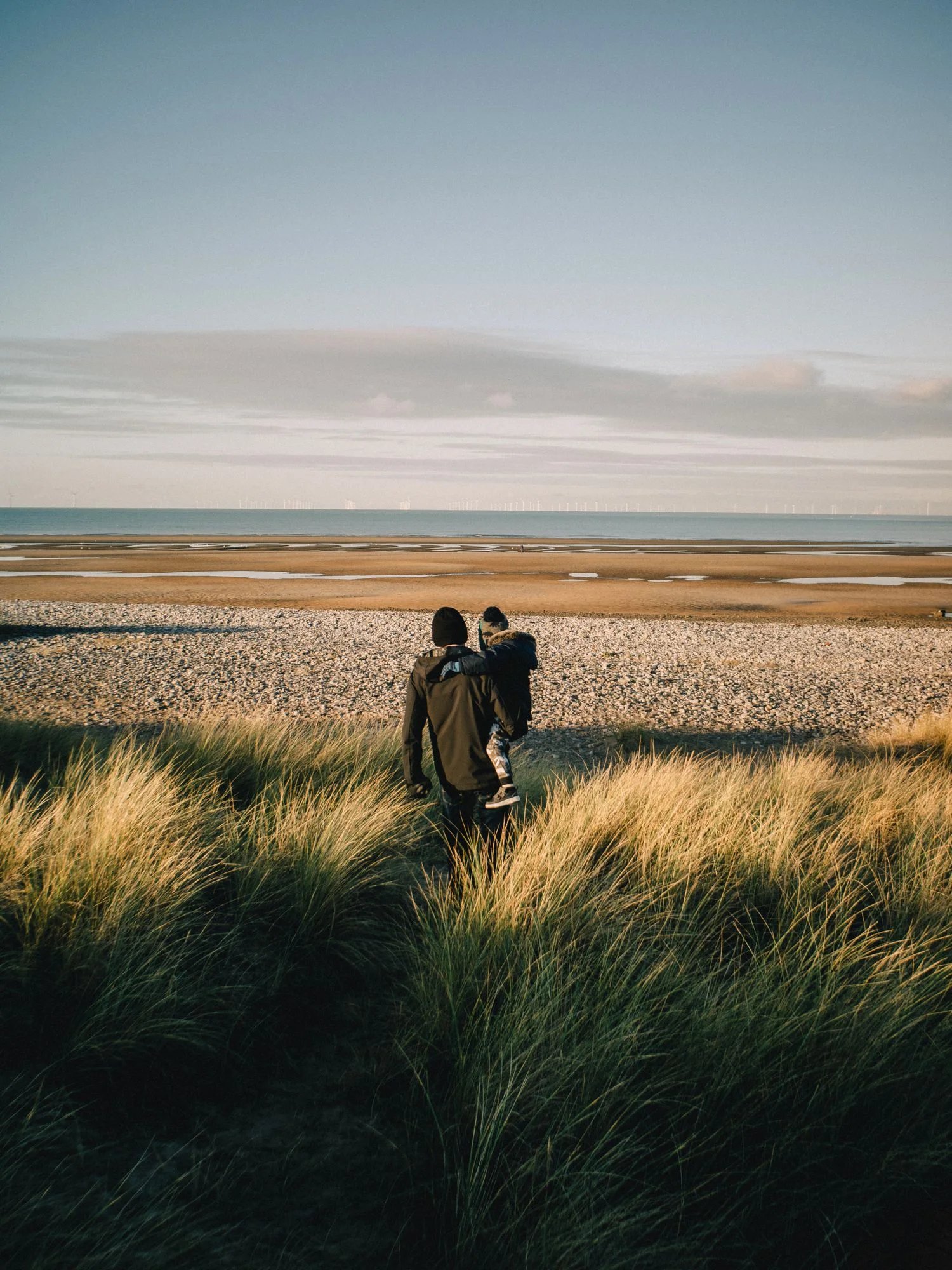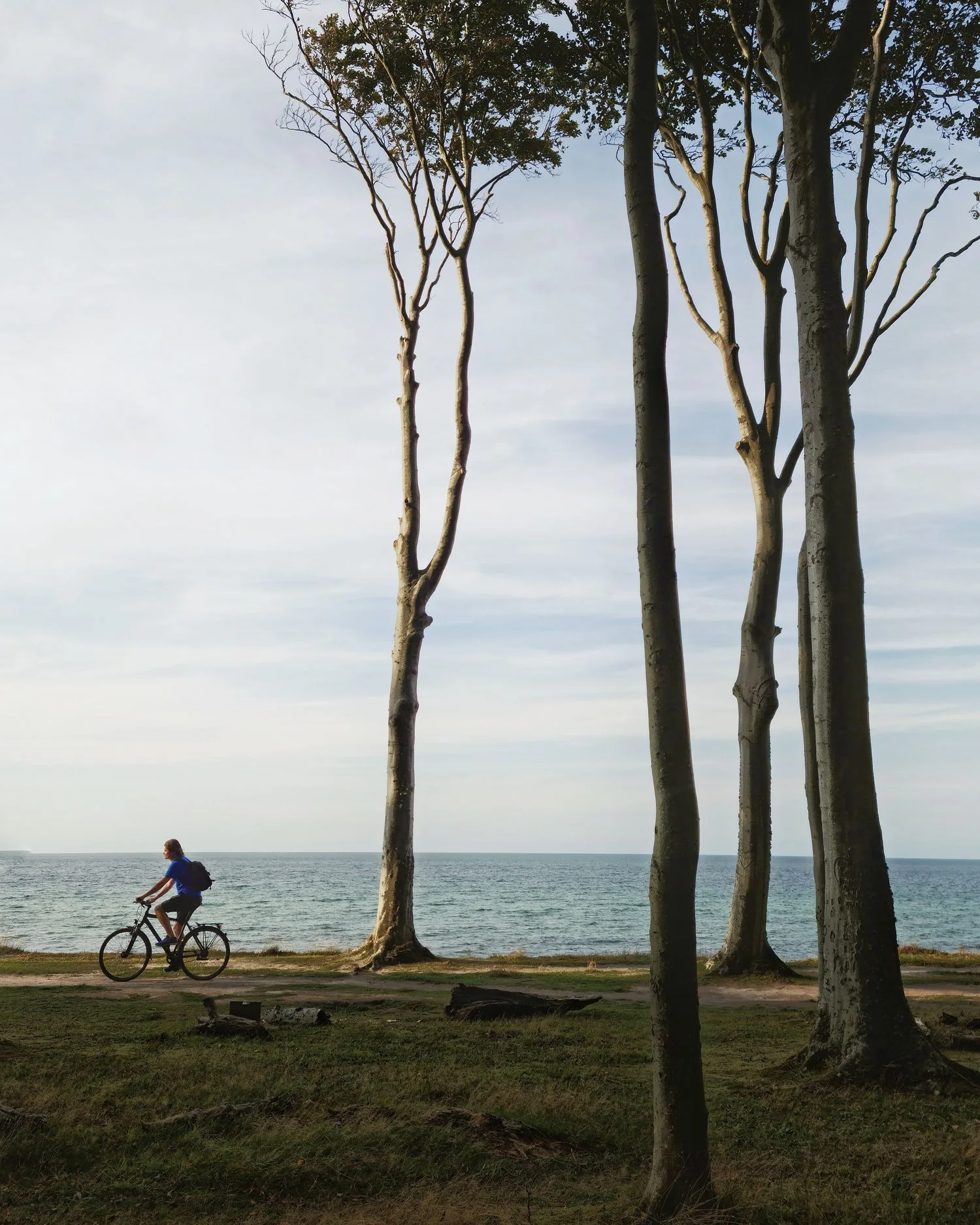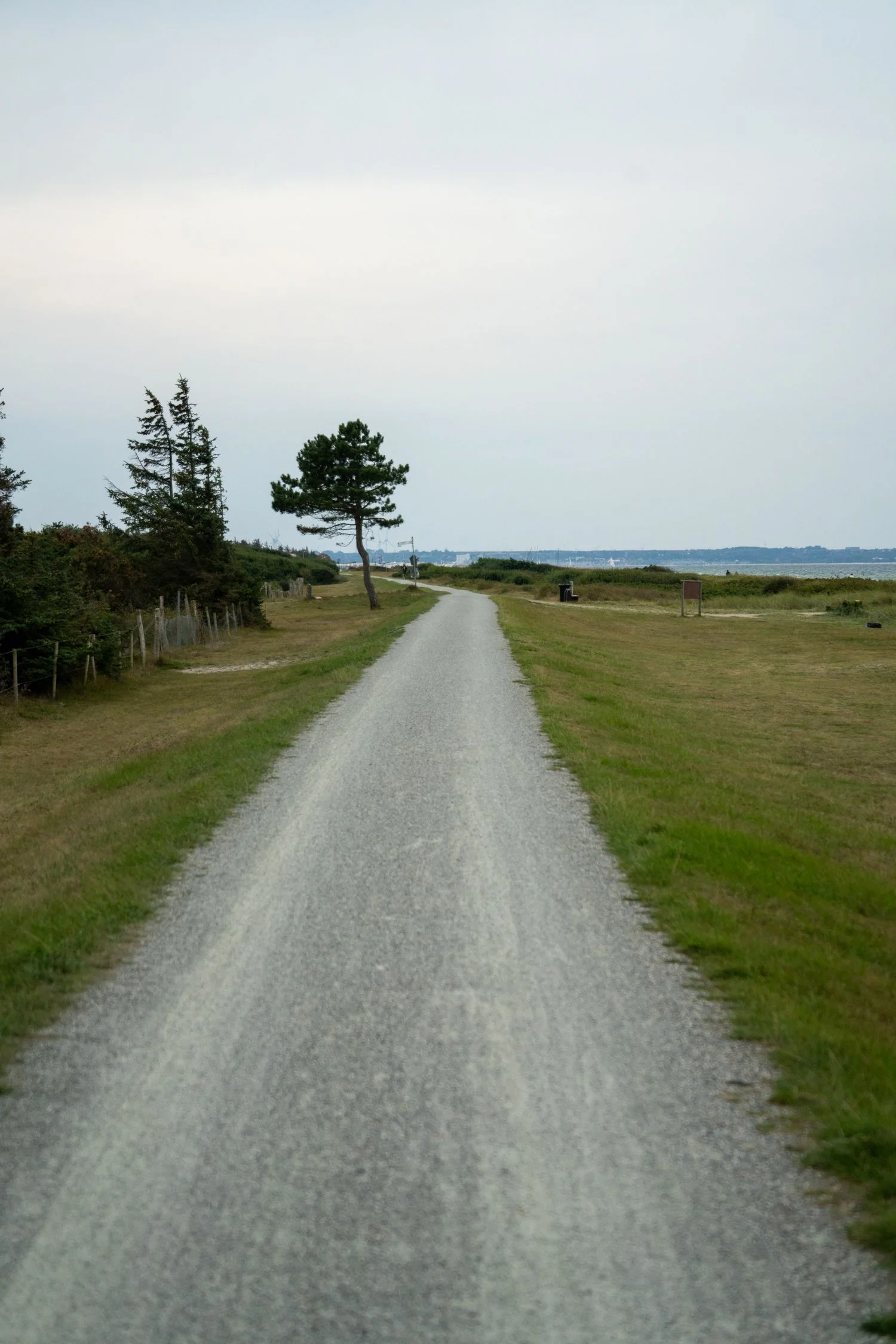
Fehmarn looks straightforward for cycling on a map: many routes, limited elevation and coastline in several directions. Wind can still change the effort considerably. Flat terrain offers little relief when a long return leg leads directly into a headwind.
An island circuit is only one option
The official tourism information presents themed routes and coastal sections. Select a smaller ride from these rather than treating a complete circuit as compulsory. Check the specific alignment and current distance for your chosen version. Routes with similar names may include different starting points or variants.
Compare the line with the wind forecast. An embankment section is exposed differently from a road within a settlement. A loop distributes directions but does not prevent a lengthy demanding stretch. Do not assume a fast first hour will represent the rest of the day.
Keep a reserve for returning
Choose an early decision point to assess progress and consider a shorter variant. Put it before a long open section. With children or adults of different experience, use the pace of those needing the greatest effort rather than the speed of the fastest rider.
An e-bike may help, but it does not make a headwind irrelevant. Greater assistance can use more energy. Treat the range display as an estimate and avoid planning to the final indicated kilometre. A listed charging point is useful only when access, opening and compatibility are established. A rental bicycle’s return deadline also remains part of the day’s arrangements.
Breaks need not be at the most exposed coastal position. A permitted rest place in a village may be more comfortable, provided the approach fits the route. Carry water and a small snack so every pause does not depend on an open café. If the wind strengthens or riding feels unsafe, shorten the trip. Fehmarn can be explored over several days; leaving one section for later is no reason to push an exhausted group farther around the island. The useful measure of the day is the quality of the ride, not whether the map has been completely circled.
Compare a short outward ride with a strong tailwind against the slower return on the same route. Initial ease should not lead to repeatedly extending the turning point. After an early section, consider how the bicycle feels in the opposite direction where a brief safe check is possible. This brings the return into the decision before the farthest point. Gusty crosswinds can also make holding a line and passing others in narrow places more demanding. Confident handling then matters more than range or speed. Use an alternative through settlements only where it is permitted and suitable for the group.