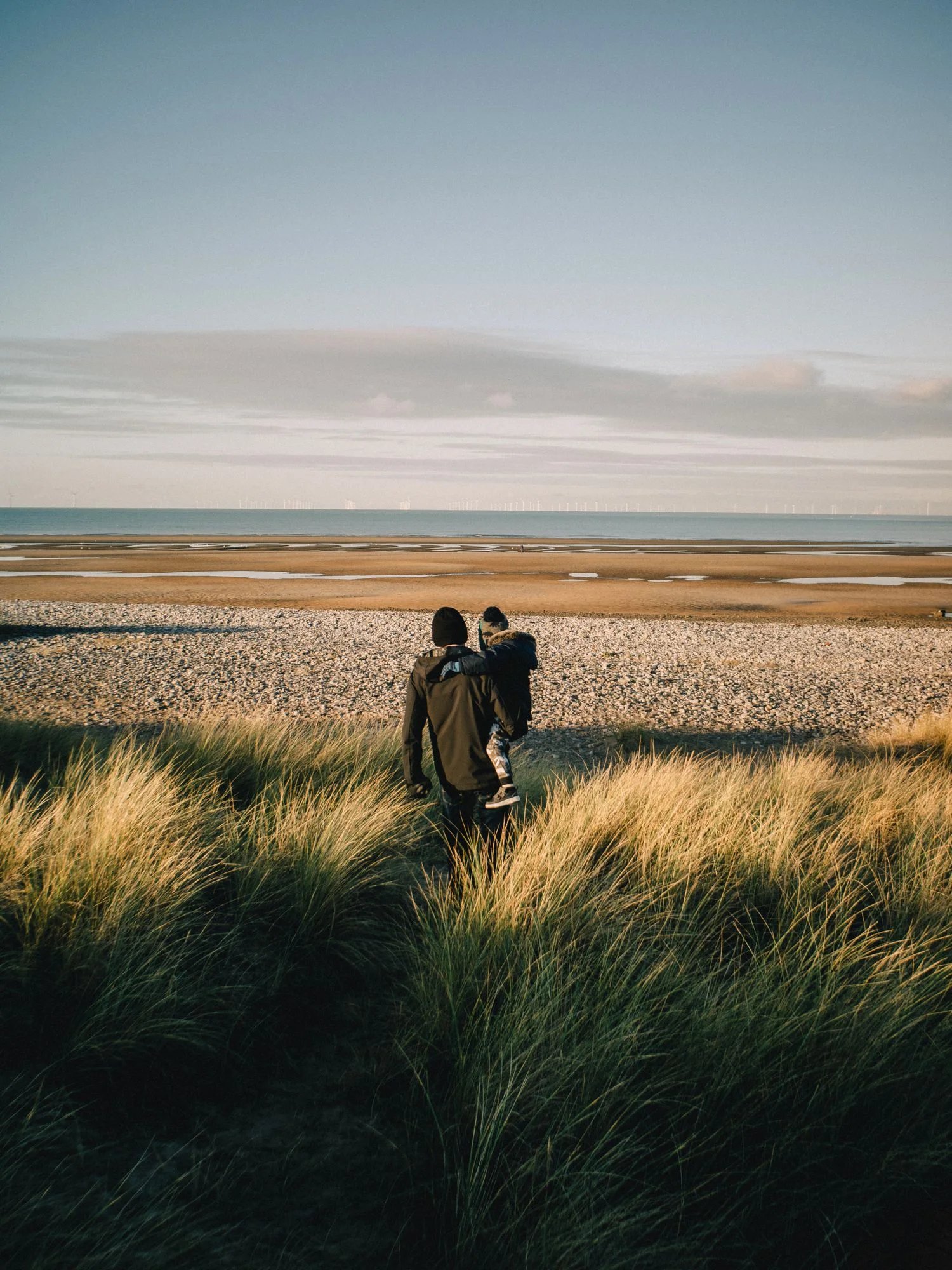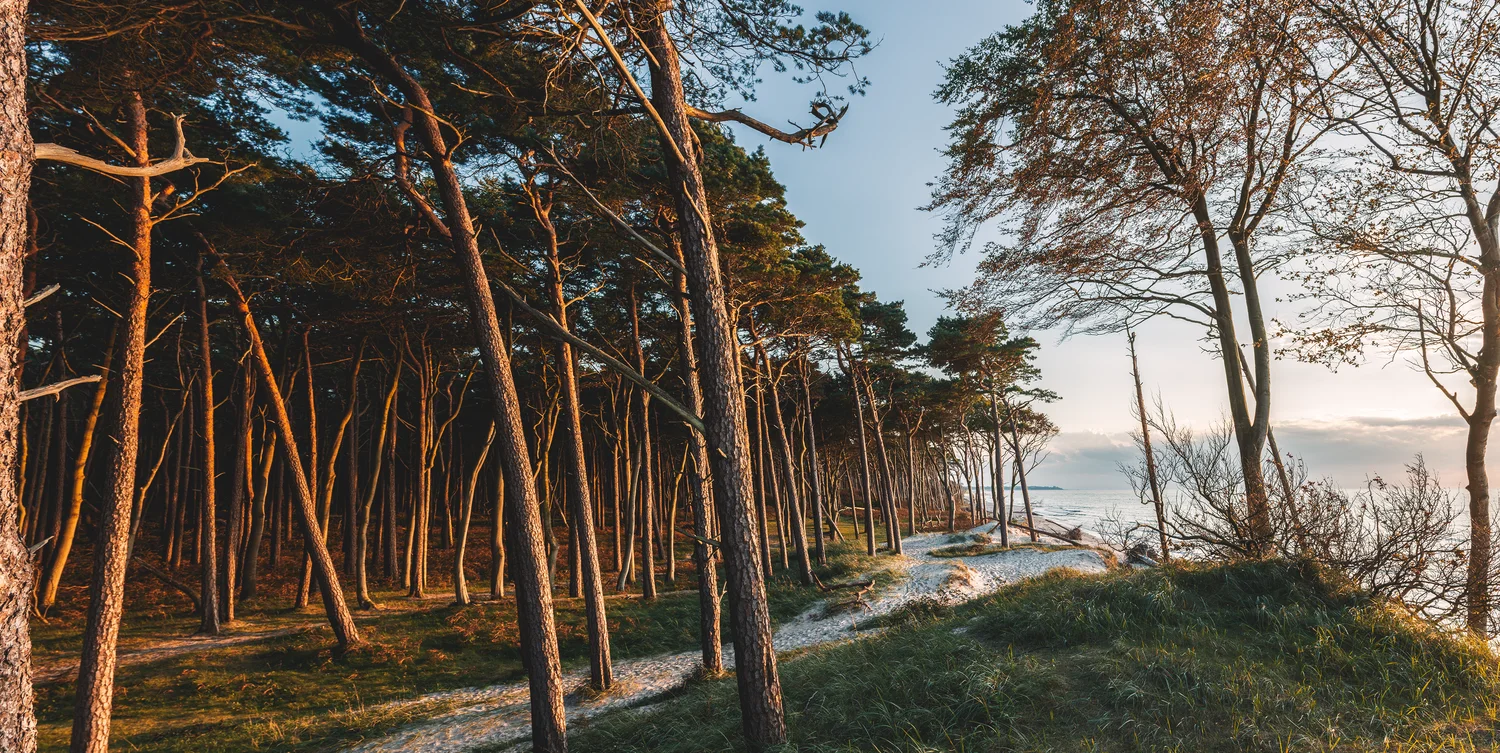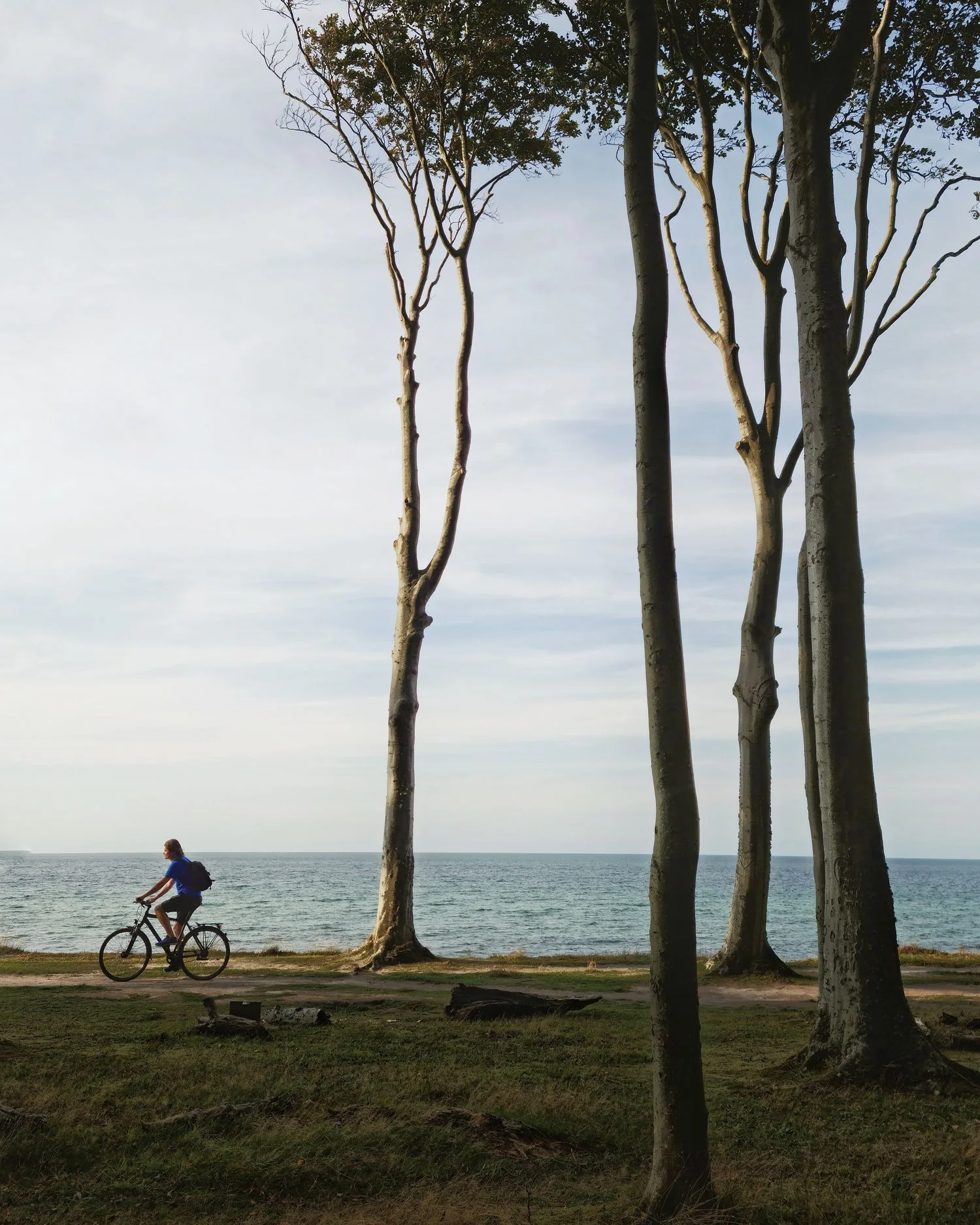
The Baltic Coast Cycle Route is a long-distance route, but a holiday day need not cover a whole stage. Select a section that fits your starting point, experience and return arrangements. The recognised route name helps with orientation; it does not replace checking surfaces, traffic and the distance you will actually ride.
Begin with the start and finish
Decide whether to cycle back to the accommodation or finish elsewhere. For an out-and-back ride, count the distance twice unless the quoted figure explicitly includes both directions. A linear ride adds a public-transport return. The connection, bicycle carriage rules and possible capacity restrictions all need to work together.
Official regional route information shows the coastal route alongside additional circuits. Use it to select a manageable section. An attractive photograph location is not a useful endpoint if it leaves you with an unsuitable road or uncertain transport connection. Choose a finish where arriving will actually be comfortable.
Read the description and map together
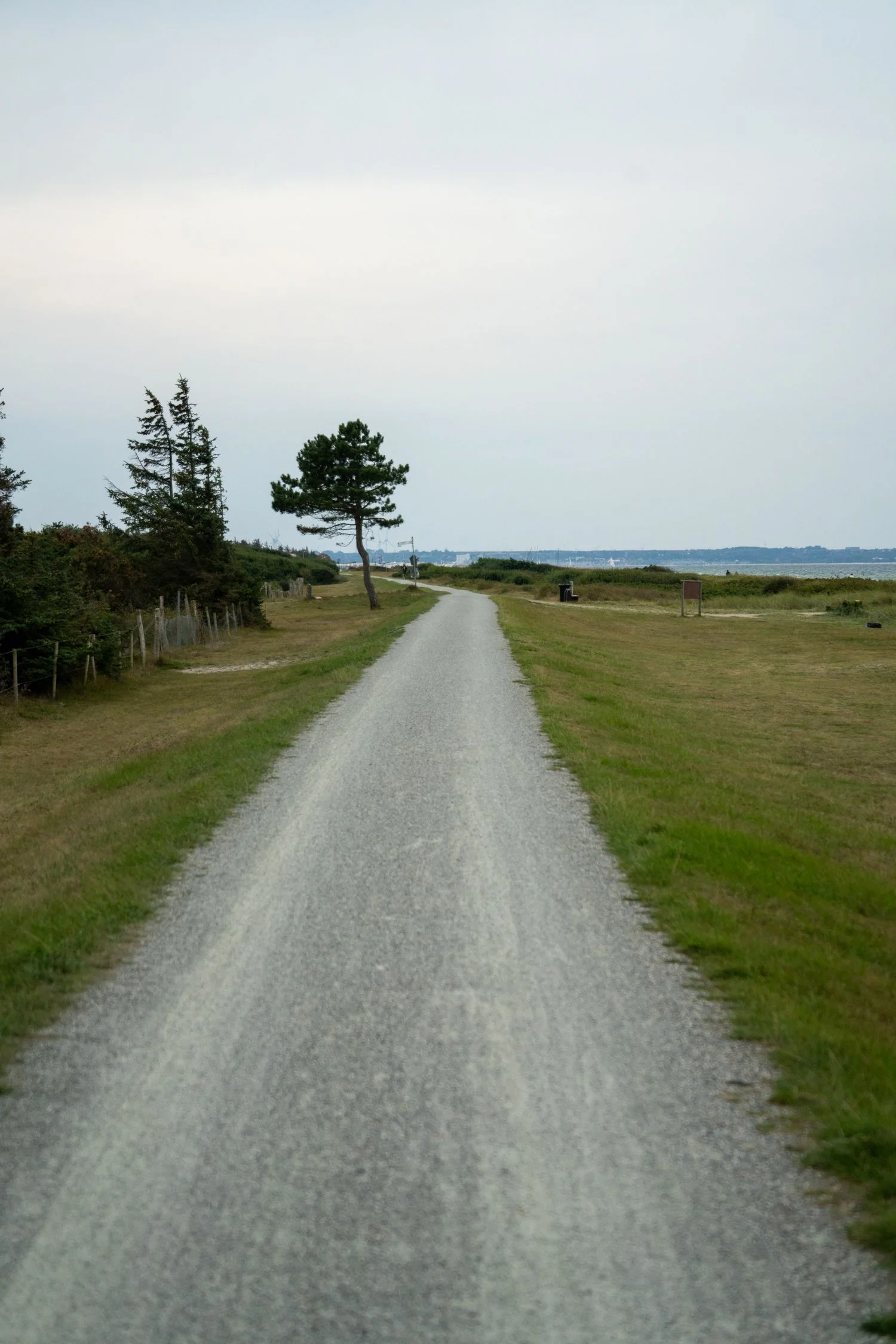
Look for surfaces, gradients and stretches on roads. A coastal cycle route does not remain beside the water continuously and is not necessarily separated from traffic throughout. Town sections and junctions may require attention. Families using children’s bicycles or trailers should consider narrow areas and surfaces particularly carefully.
A downloaded GPX file can support navigation. Nevertheless, establish that it represents the current official route and follow signed diversions on the ground. A saved line is not a reason to pass a closure. Stop somewhere suitable to consult the phone rather than searching while riding.
Compare two forms of day ride
For the first day, a short ride from the resort to an accessible rest point and back can work well. The group learns about the surface and wind. Returning the same way is not a disadvantage: it simplifies navigation and makes familiar stopping places available again. Choose the turning point according to effort so far, not a desired number on the cycle computer.
A longer linear route provides more new scenery but requires additional organisation. Establish the return before setting off. Regional trains may require a bicycle ticket, and a ticket does not always guarantee available space. If the last train is the only possible return, the ride is unnecessarily vulnerable to delays. An earlier connection or shorter section provides flexibility.
Count stops as part of the route
A harbour view, beach entrance and café visit all take time beyond pedalling. Choose a few stops reachable without substantial detours. Confirm opening hours where a specific meal stop matters, and carry drinks. Headwinds or a mixed-ability group can make progress considerably slower than an app’s estimate.
Check the bicycle before departure and clarify the return deadline for a hired bike. Shorten the ride if conditions change. The chosen section should support the holiday day rather than dominate it. Finishing with time for an unhurried pause often reflects better planning than completing the final kilometres solely to match somebody else’s stage length.
For a specific choice, make three separate notes: the cycling section, extra approaches to stops and the return. A route that looks manageable on the official map can grow substantially through beach detours. Where a side visit involves steps, the bicycle may need to remain at an authorised secure parking place, with walking time added. For a group using rental bicycles, also work backwards from the agreed return deadline. A final café stop fits only if enough time remains afterwards for riding and handing the bicycles back.