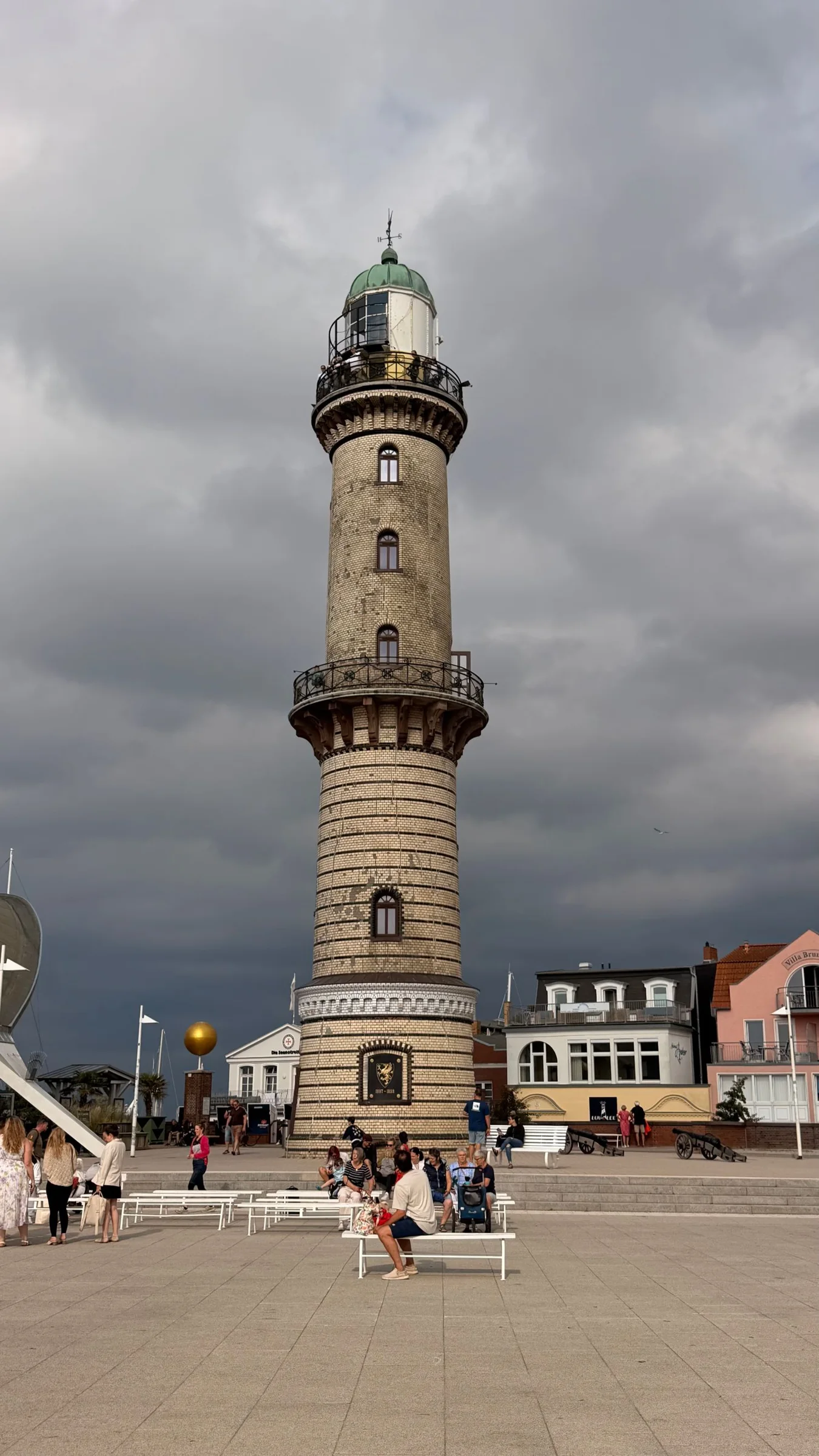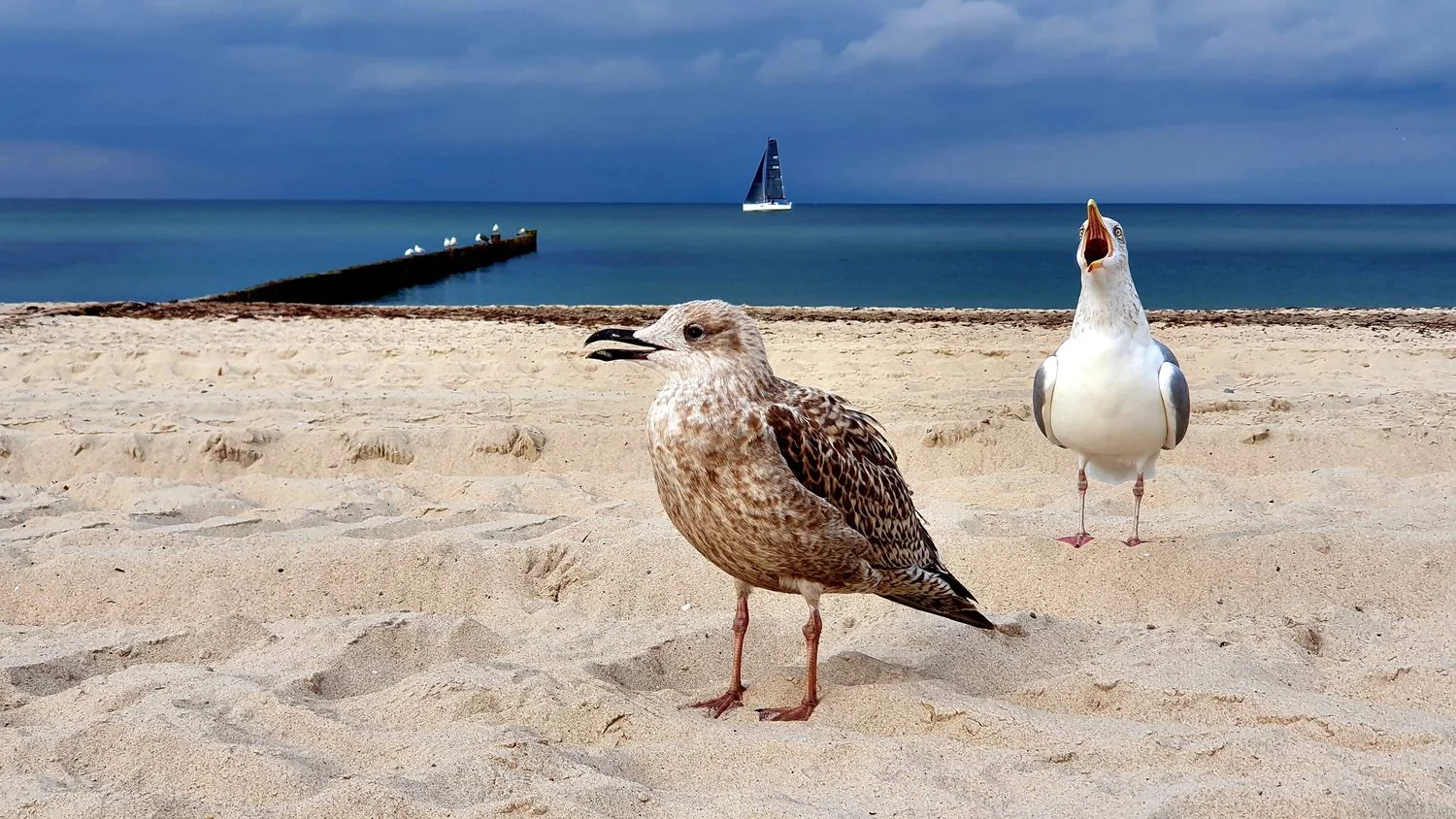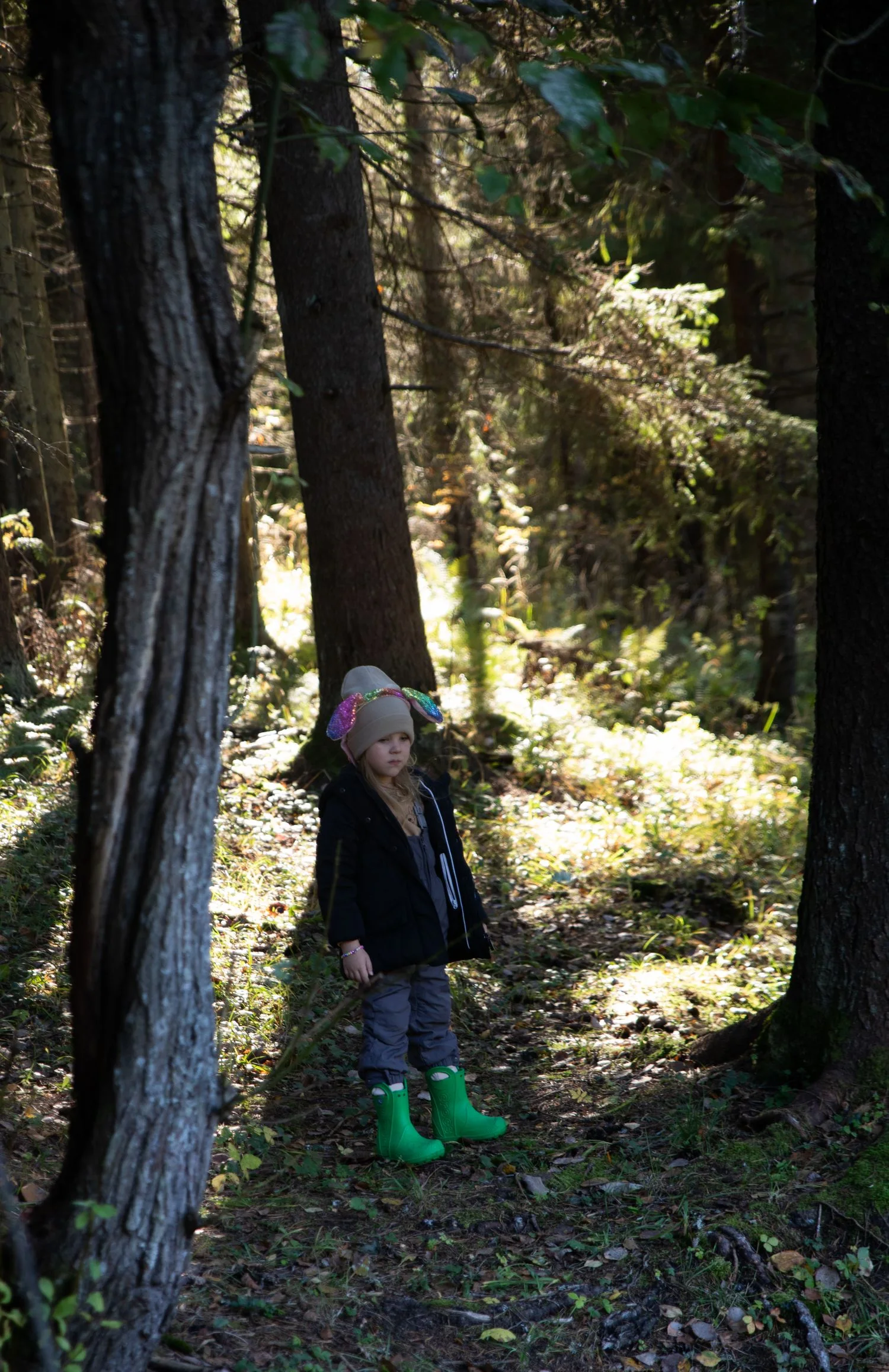
Autumn school holidays on the Baltic do not have to imitate summer swimming trips or become a week of substitute activities. Families can combine the beach, woodland, town visits and time at their accommodation. The important point is to have those options ready without searching again every morning, and to match them to the different energy levels in the group.
Prepare three usable ideas
Start with a short outdoor plan, a longer outdoor plan and an indoor plan. The short option should need little travel, perhaps a familiar beach access with a small loop. The longer option might be a checked woodland route or a day trip. For the indoor option, find actual opening hours and make any necessary reservation. A list of nearby museums is not yet a usable plan.
For each idea, record the starting point, return, meal arrangement and place where it can be shortened. This reveals important differences. A museum visit with a flexible finish is organised differently from a fixed-length guided tour. Turning around midway through a circular walk may not shorten the return at all. Children do not need to manage these details, but they benefit when adults have resolved them beforehand.
Beach and forest require different decisions
Half an hour watching waves, looking at stones or playing a short game may be enough at the beach. Choose a permitted area and do not remove material from protected habitats. Dunes are not playground hills. In woodland, roots, sand and wet patches may determine the pace. An official route description tells you more than distance alone.
The Vorpommersche Boddenlandschaft National Park describes a signposted network and the need to protect sensitive ground. Use current maps for a family walk and remain on permitted routes. Leaving the path for a more interesting object is not essential to a nature outing. Watching, comparing and drawing something afterwards can work without a collecting bag.
Woodland is not an automatically safe alternative to an exposed beach in strong winds. A warning may rule out both outdoor plans. Use the indoor option or stay at your accommodation instead. It helps to describe this as a normal possibility in advance rather than trying to rescue a cancelled walk with another unsuitable destination.
Bring different needs into the same day
A younger child may need a predictable rest, while an older one wants longer to explore or take photographs. Do not plan solely around the quickest person. A shared short section can be followed by an optional extension if supervision, the meeting point and return arrangements are clear. Nobody should be left behind simply because the rest want to continue.
Ask each person for one wish the evening before, not a complete programme. Choose a workable combination from those wishes. If today centres on the beach, an exhibition can follow tomorrow. This reduces the feeling that a single rainy day has displaced everyone’s interests.
Make the accommodation work between outings
After a wet trip, the family needs space to remove clothing, dry things and sort bags. Keep something ready for damp items and establish where shoes can go. A small table with cards, paper or a familiar game supports a break without requiring another destination. Quiet intervals are especially useful after travelling to the resort.
At the end of a day, assess which arrangements worked rather than counting places visited. Perhaps the short beach walk before breakfast was more successful than the large afternoon excursion. Let that discovery change the rest of the stay. Autumn holidays provide enough variety when the plan responds to experience instead of following a list that was filled before arrival.