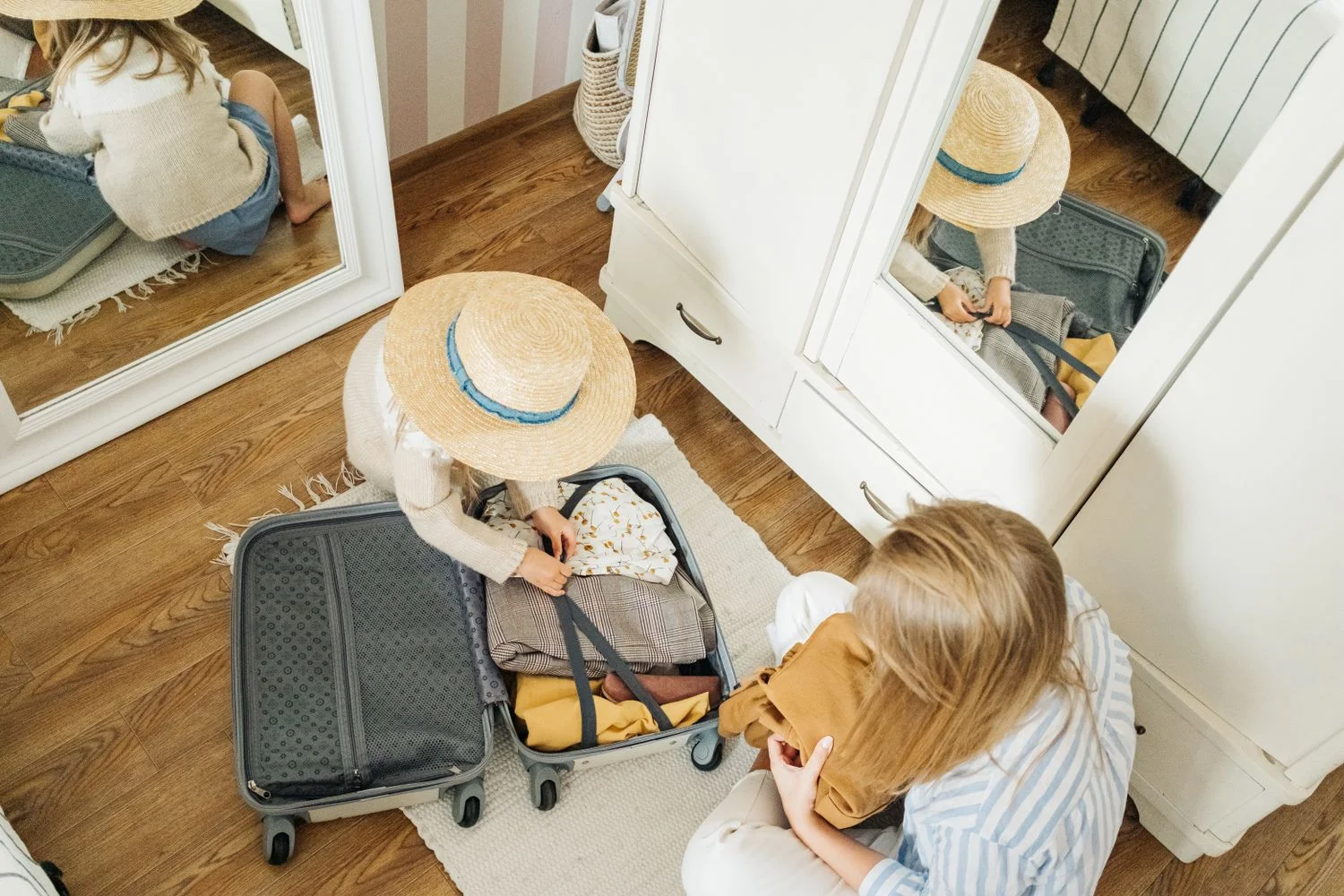
Involving children in packing does not mean transferring responsibility for all holiday equipment to them. A small, understandable task makes belongings familiar and helps children find things later. Adults retain oversight of essential clothing, safety and items that must not be forgotten.
Begin with activities rather than a long list
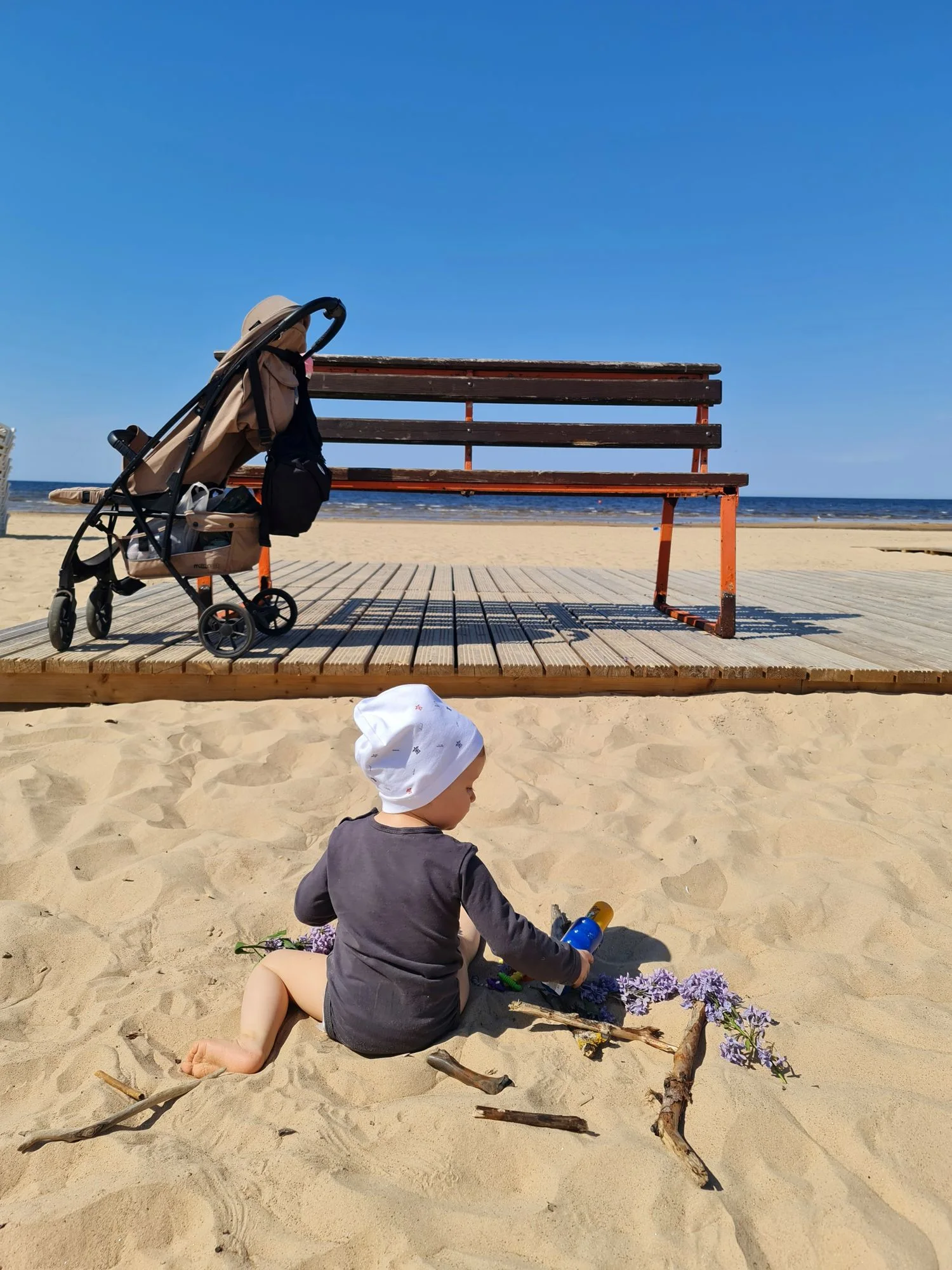
Talk about what is likely to happen: playing on the beach, walking around the resort, reading indoors and sleeping at night. Let the child choose one or two relevant things for each activity. This explains why a warm jumper and raincoat belong alongside swimwear. A list of clothing categories can feel more abstract.
Lay everything on a clear surface first. Children can group similar objects or draw a picture for each part of the holiday. Limit toys to a manageable personal bag. When it is full, decide together what will genuinely be used. Adults add essentials and check that clothes fit and sufficient changes are available.
Make the personal bag recognisable
A small bag might contain a book, a soft toy or another familiar activity. It should not become so heavy that somebody else must carry it after a few minutes. Keep travel items accessible. Delicate or indispensable belongings should not be entrusted solely to the child just because they helped pack.
Show where dry and wet things will be separated. A simple bag for used beach clothing prevents disorder spreading through the suitcase. Briefly practise repacking too: what returns to the side pocket, what stays at the accommodation and which toys are counted before leaving the beach?
At the destination, allow the child to arrange a small area independently. Packing then becomes a way of understanding the holiday environment rather than a one-off pre-departure chore. Note unnecessary items for the next trip. Forgetting something nonessential need not become a reason for blame. The useful learning is gradually matching needs and luggage more closely, while adults continue to carry responsibility for the important requirements. A child who knows where a familiar item belongs may also find the return journey easier to organise.