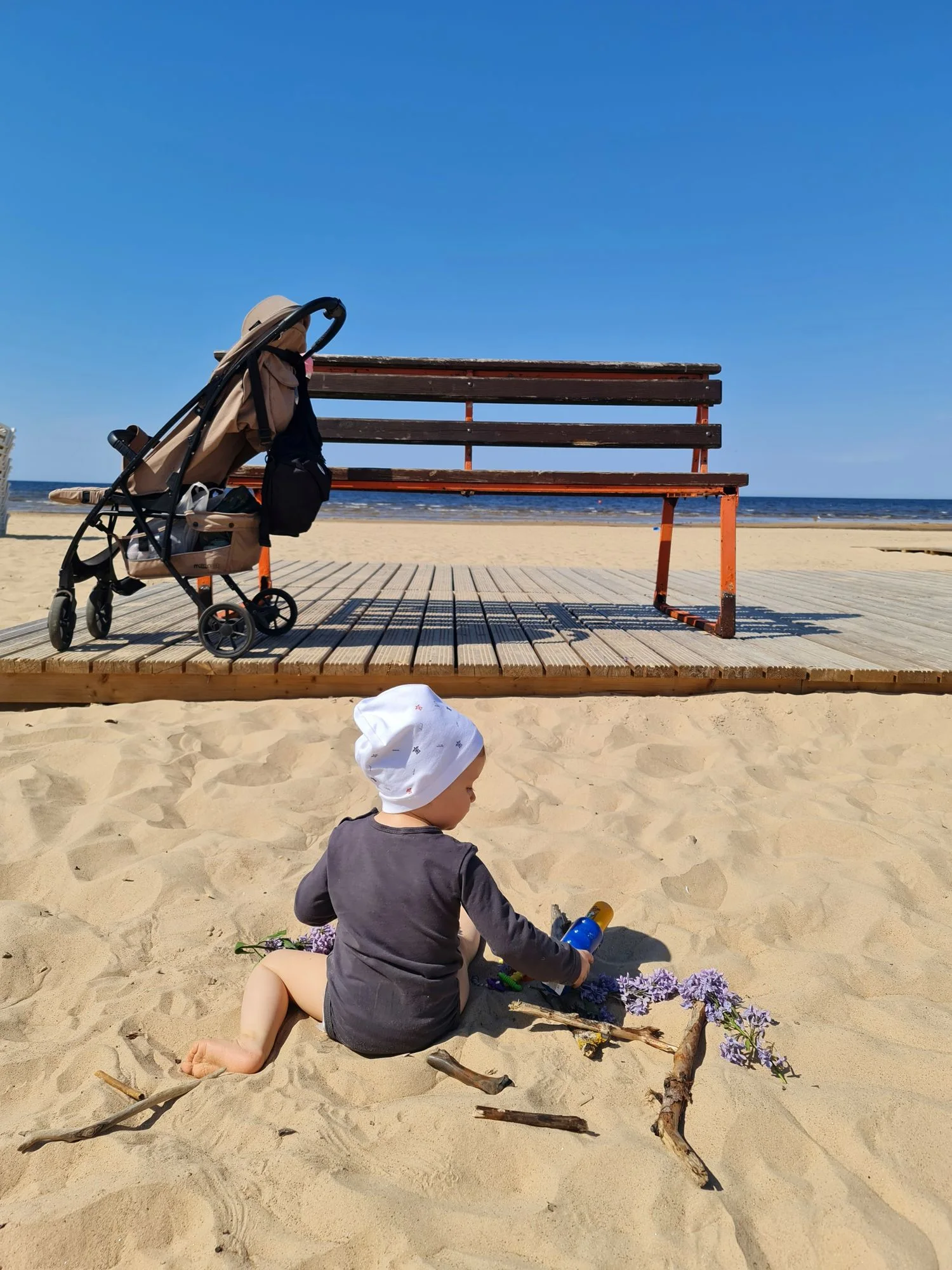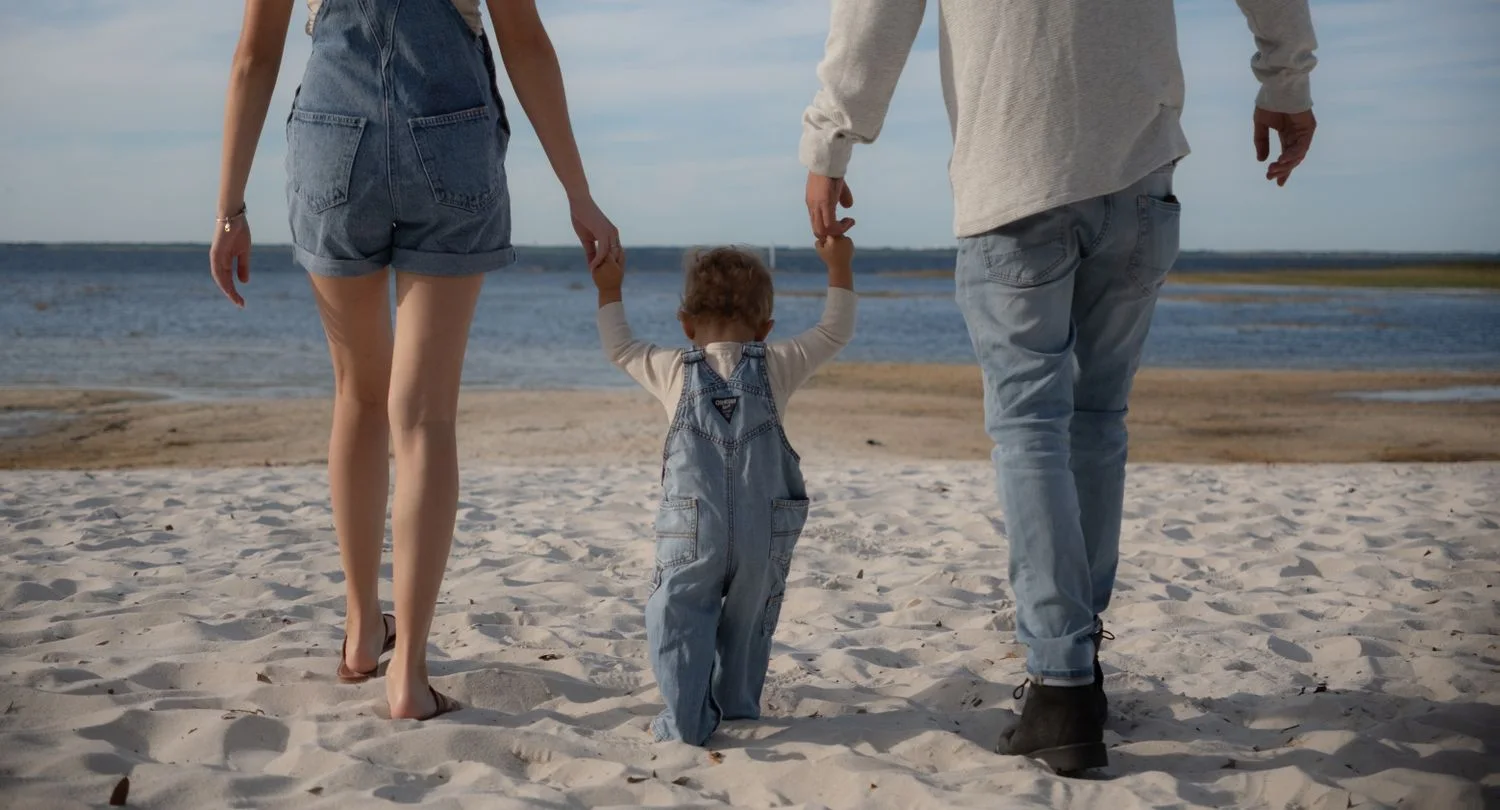
On a beach, attention can shift quickly between bags, sun protection, food and the water. Child supervision therefore needs a clear arrangement. It is not secured simply by having many adults in the group or a rescue station nearby.
Give one person a specific responsibility
Agree who is currently supervising a child and hand that responsibility over explicitly. Someone leaving for the toilet or answering a call should not assume others have noticed the change. With several children, the arrangement must suit their ages, abilities and circumstances. An older sibling is not an automatic substitute for an appropriate adult.
Beside and in the water, the accompanying person needs to remain attentive. Non-swimmers need supervision within arm’s reach even with flotation aids. DLRG guidance explains that swimming aids do not guarantee safety. A swimming award does not mean a child can independently assess unfamiliar sea conditions either. Lifeguard cover supports rather than replaces your own supervision.
Make the location recognisable
Remember the beach entrance number and a fixed landmark. Movable umbrellas and somebody else’s beach tent are less useful than an identifiable building or entrance sign. Show the child the agreed area and explain, in age-appropriate terms, where to seek help if they can no longer see the group.
A contact method carried by the child may help if separated, without displaying unnecessary personal information. A current photograph of their clothing can also be useful. These preparations do not replace ongoing attention. If a child is missing, act immediately and alert the lifeguards or appropriate local helpers; use emergency services for immediate danger. Do not begin by waiting to see whether the child returns alone.
Conditions can change the boundary
Check flags and local notices before swimming. Do not enter the water under a red flag. Yellow flags indicate dangerous conditions in which children should refrain from bathing. Wind, increasing crowds or reduced visibility may also mean shortening the stay or moving play farther from the water.
Put the phone away while supervising and prepare food during a clearly separate period. An enjoyable beach day does not require constant new entertainment. When responsibility is understood, the location is known and the group responds promptly to changing conditions, avoidable distractions can be reduced. That matters more than assuming the position selected at the start will remain equally suitable throughout the day.