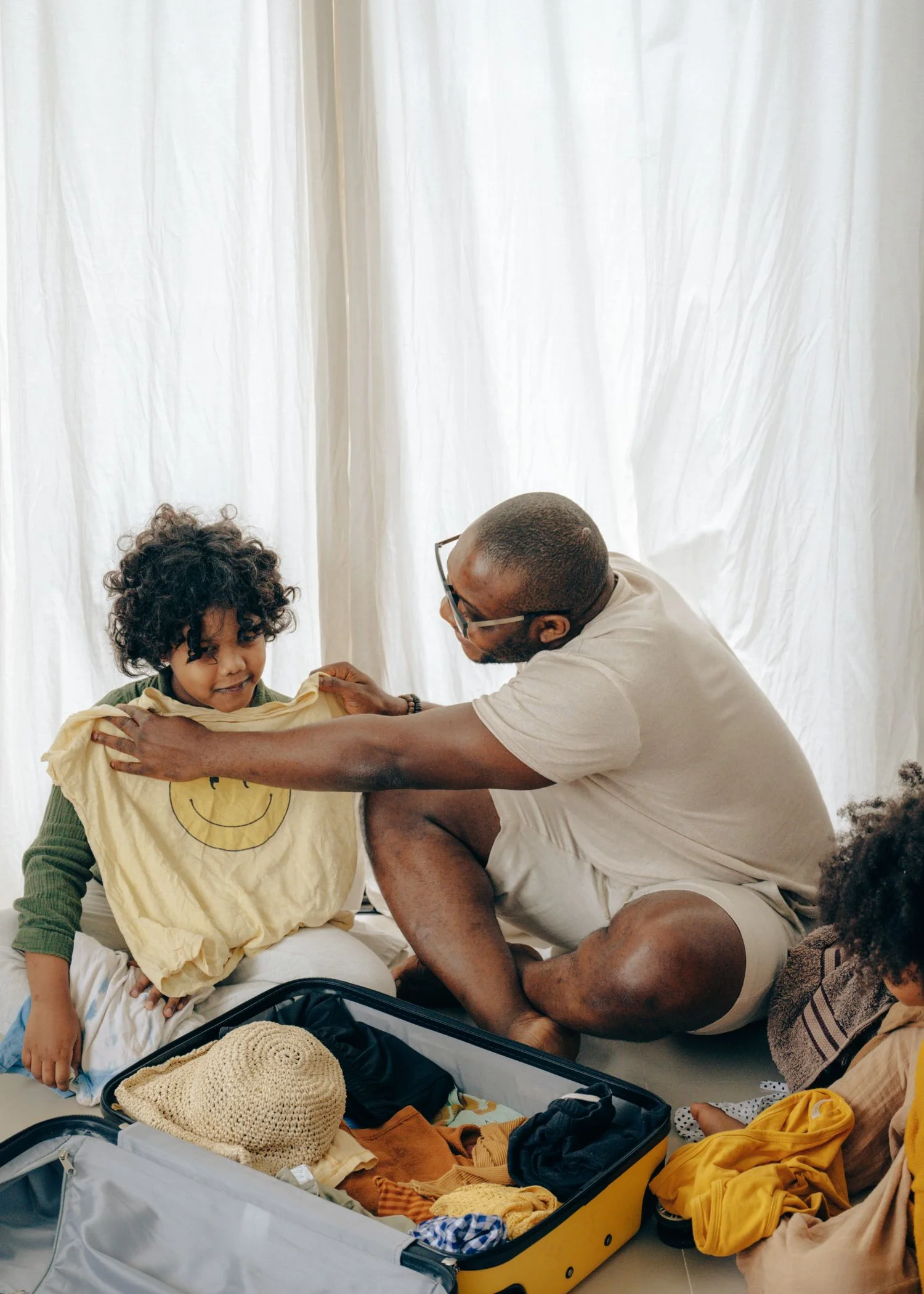
Packing for a week on the Baltic coast does not require a complete change of clothing for every imaginable weather condition. It matters more that your clothes work together and that something dry remains after a wet outing. Start with the activities you intend to do and the facilities at your accommodation, then decide how many shirts to bring.
Three situations rather than seven outfits
Picture a mild city walk, a windy beach stroll and a rainy journey back. A light base layer, a warm middle layer and suitable outer protection can be combined differently for each situation. Choose the jacket for your actual plans. Someone walking longer distances needs different features from a traveller mostly making short trips between a café and the accommodation.
Try the combination before departure. A rain jacket that barely fits over your warm jumper only solves the problem on paper. Check pockets and the hood, and consider comfort when carrying a backpack. For evenings indoors, one separate dry outfit may be sufficient instead of additional complete outfits for every day.
Plan shoes, laundry and drying together
Bring shoes you have already worn for the intended routes and a dry alternative. Promenades and town streets do not automatically call for heavy hiking equipment; uneven paths place more emphasis on grip and appropriate soles. Include enough socks so that one wet pair does not dictate the following day.
Check whether the property has a washing machine, drying rack or only a shared laundry room. Equipment being present does not necessarily mean it is freely available. If you intend to wash clothes, allow time for them to dry as well. On a short visit, a modest supply of clean laundry may be simpler than organising a dedicated washing day.
Beyond clothing
A reusable water bottle, sunglasses and sun protection suited to your needs still belong in the plan when the weather is changeable. Beach days may also require a towel and swimwear. Ask whether accommodation towels can be taken to the beach. A separate bag for damp or sandy items helps keep the rest of your luggage clean.
Take chargers for the devices you are actually bringing. Personal medication and other essentials should remain easy to reach. Documents, booking details and key-collection instructions should not disappear at the bottom of a suitcase either. When travelling by train, try carrying all your luggage yourself before adding another bag.
Make targeted changes the evening before
Check the current forecast and weather warnings for your destination shortly before leaving. Adjust individual items rather than doubling your luggage just in case. An approaching cooler spell may justify another warm layer without making every piece of summer clothing redundant.
Clothing is only one part of the plan. If warnings or unsuitable conditions affect an outing, change or postpone it. A full suitcase does not make an exposed coastal route appropriate in all weather. Leave a little room for the return journey and keep your arrival-day items together in a small, accessible bag.