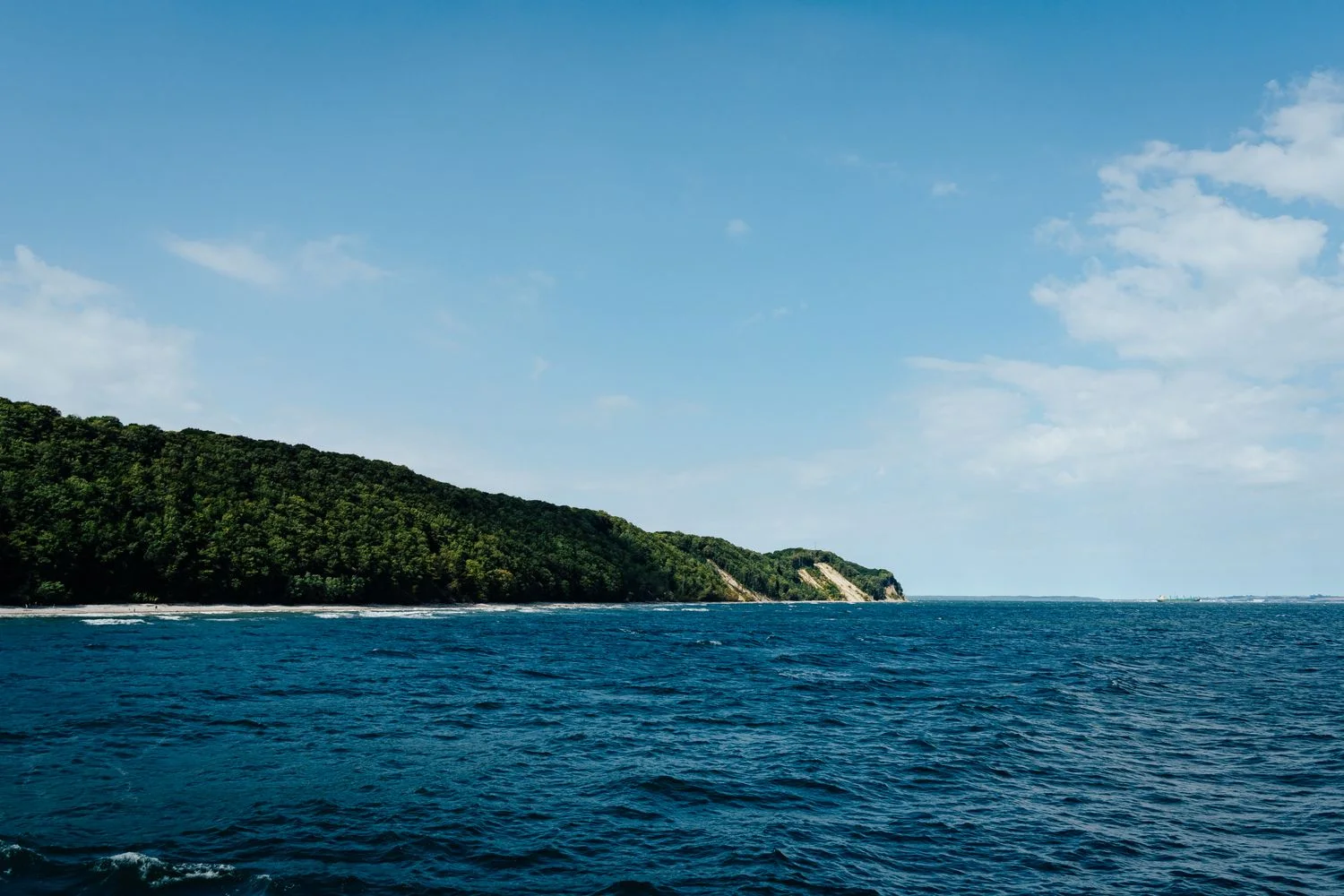
A sunshine symbol on your phone says little about how comfortable an exposed Baltic beach will feel. Wind affects the walk across the sand, lunch on a blanket and the decision about entering the water. A manageable visit with an easy alternative nearby usually works better than carrying as much equipment as possible.
Read beyond the temperature forecast
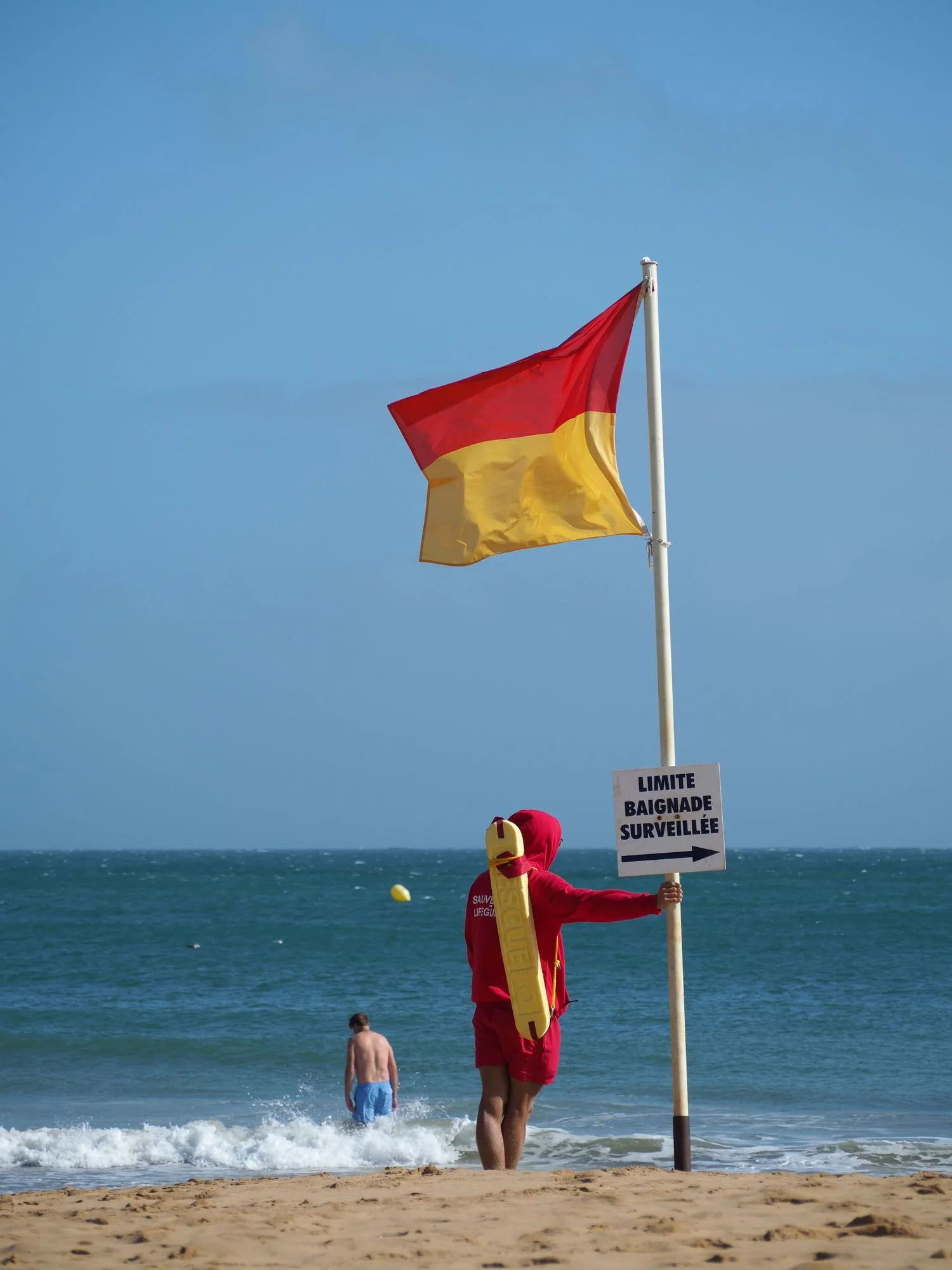
Before leaving, check wind, gusts and current warnings as well as temperature and the chance of rain. Germany's weather service, the DWD, provides coastal warnings. A general forecast still cannot replace information at the particular beach: swimming flags, closures and instructions from lifeguards may determine what is appropriate there. When a storm warning applies, replace the beach day with an activity away from the water.
On an ordinary but breezy day, choose an access point with a short return route. A café, your accommodation or another sheltered place within reach gives you somewhere to go if somebody gets cold sooner than expected. A sheltered place to sit does not, however, indicate that the water is safe for swimming. Offshore winds can carry floating objects away from the beach.
Pack around what you will actually do
For sitting, bring a wind-resistant layer, dry clothing and a mat that will not immediately fold over. A bottle with a lid is more useful than an open cup. Divide food between closed containers so opening lunch does not expose everything to blowing sand. Keep your phone and keys in a pocket that closes securely.
- Add one warm layer beyond the clothes needed for the journey.
- Keep a separate compartment or bag for damp, sandy items.
- Include sun protection even when the wind feels cool.
- Bring only toys that can actually be used in these conditions.
A windbreak is useful only if it is permitted at that beach and can be secured according to the manufacturer's instructions. An unstable umbrella is not a solution in strong gusts. Keep access routes clear, and do not use protected dunes as sheltered seating hollows. If setting up your equipment takes more effort than enjoying the visit, move to a simpler activity.
Make separate decisions about playing and swimming
The DLRG warns that inflatable swimming aids and air mattresses do not provide safety in the water. Leave inflatable water toys unused when wind conditions are unsuitable. Children need attentive supervision beside and in the water; equipment cannot take over that responsibility. If local advice rules out swimming, keep the visit on land. A walk or a short game on the sand can still give the outing a purpose.
Before unpacking, agree on a straightforward stopping point: when clothing no longer keeps everyone warm, sand repeatedly blows into faces, or the weather deteriorates. Pack loose objects first and return together. There is no need to extend one pleasant hour into a full beach day simply because you packed enough belongings for a longer stay.