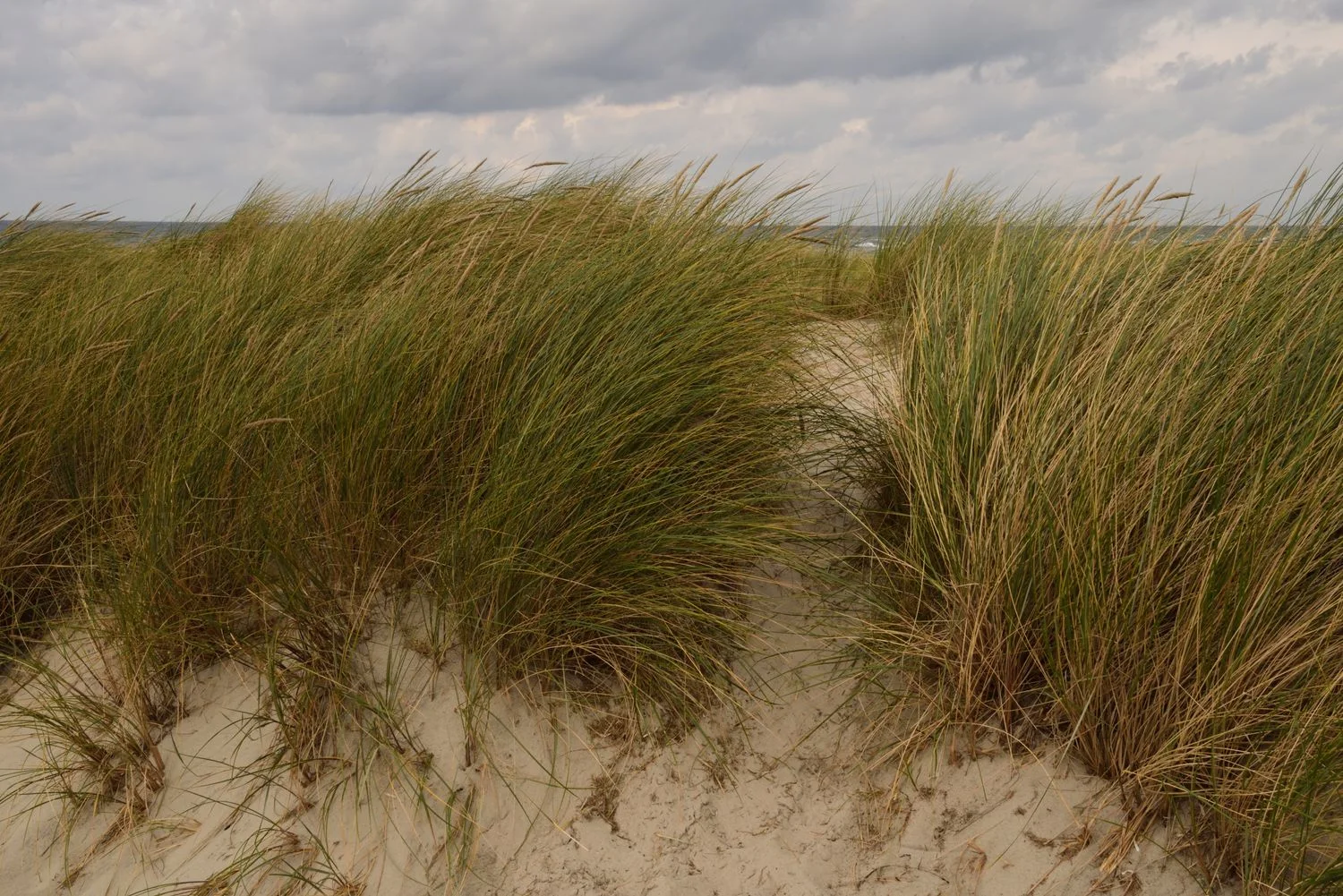
Dunes are part of the coastal landscape, rather than an extra recreation area behind the beach. When choosing accommodation or parking close to the water, check the authorised beach entrance as carefully as the distance to the coastline. The shortest visible route is not always a route you are allowed to use.
Guidance from Vorpommersche Boddenlandschaft National Park explains the protection of dunes and their vegetation. For visitors, the main implications are to use designated crossings and not treat dunes as places for playing, sitting or going to the toilet. Taking a photograph or having a break does not justify making a separate track through the plants.
Choose the entrance before packing
Find the actual crossing to your preferred beach section on a local map. A path may initially run parallel to the coast before reaching an authorised entrance. Include that extra distance in your plans. Discovering that you assumed the wrong entrance is particularly inconvenient after loading a beach cart with equipment.
Check for steps, boardwalks and soft surfaces too. This is a question about the suitability of the permitted route, rather than a reason to use an easier-looking track through the dunes. If the approach does not work for your group, choose another official entrance or another beach section.
Plan the day without relying on dune access
Pack only what you can take along the designated approach. Rest on the permitted beach area or use seating outside protected zones. Establish where the nearest toilet is before settling down. With children especially, it helps to know that return route before the need becomes urgent.
Explain the boundary to children as you reach the crossing. A clear instruction to stay on the path is easier to follow than a call to come back after they have started exploring among the plants. Keep dogs on permitted routes as well, and follow local lead requirements and beach rules. A dog-friendly section does not automatically make every nearby piece of land available for roaming.
Wind and other changes can lead to individual entrances being closed. Do not skirt the edge of a barrier; follow the signed alternative. If no safe, authorised connection is apparent, turn back. A slightly longer approach protects the landscape and also avoids turning a short beach visit into a search for an unsuitable route home. Recheck the crossing you intend to use when returning after a substantial walk along the shore.