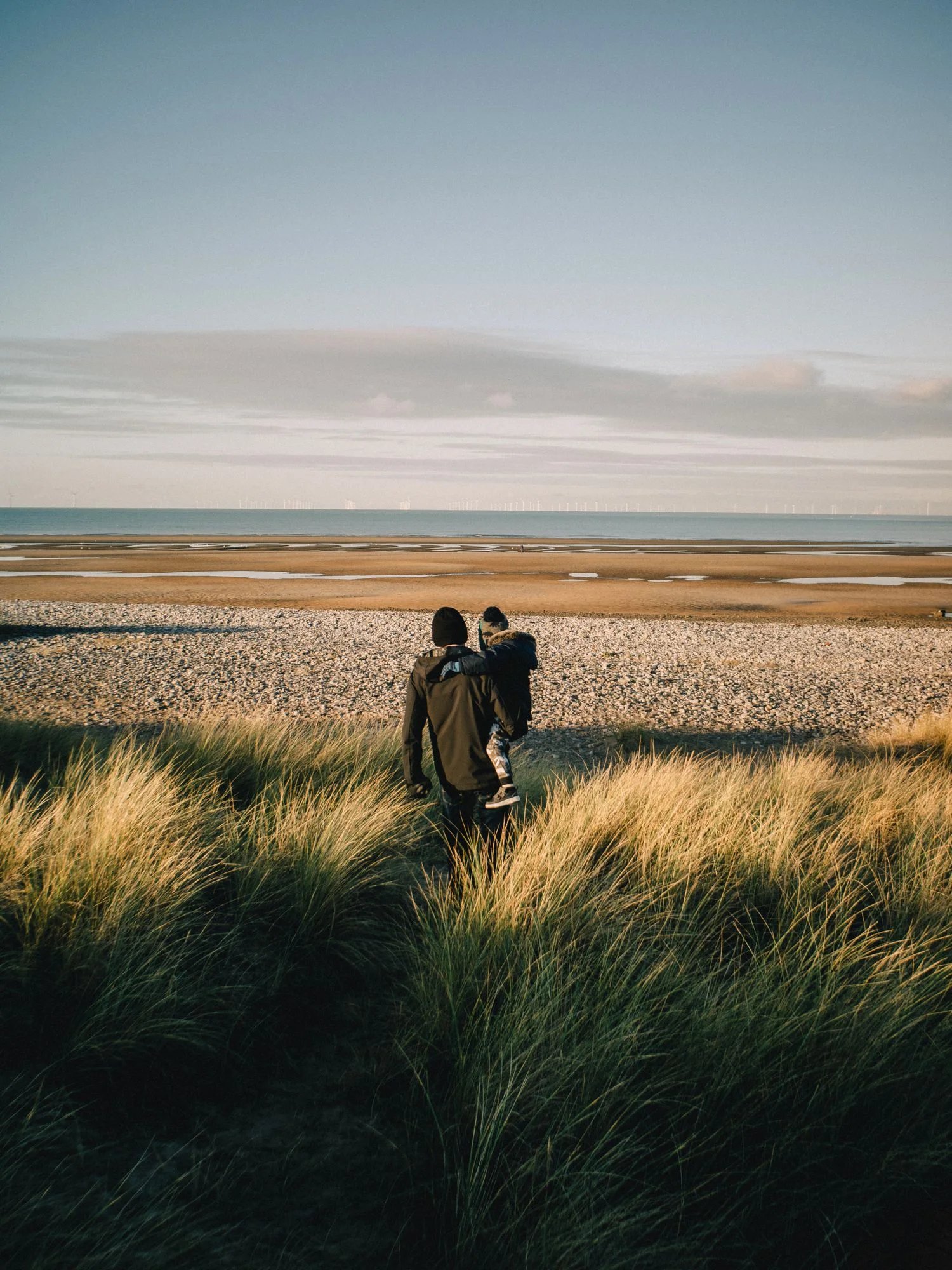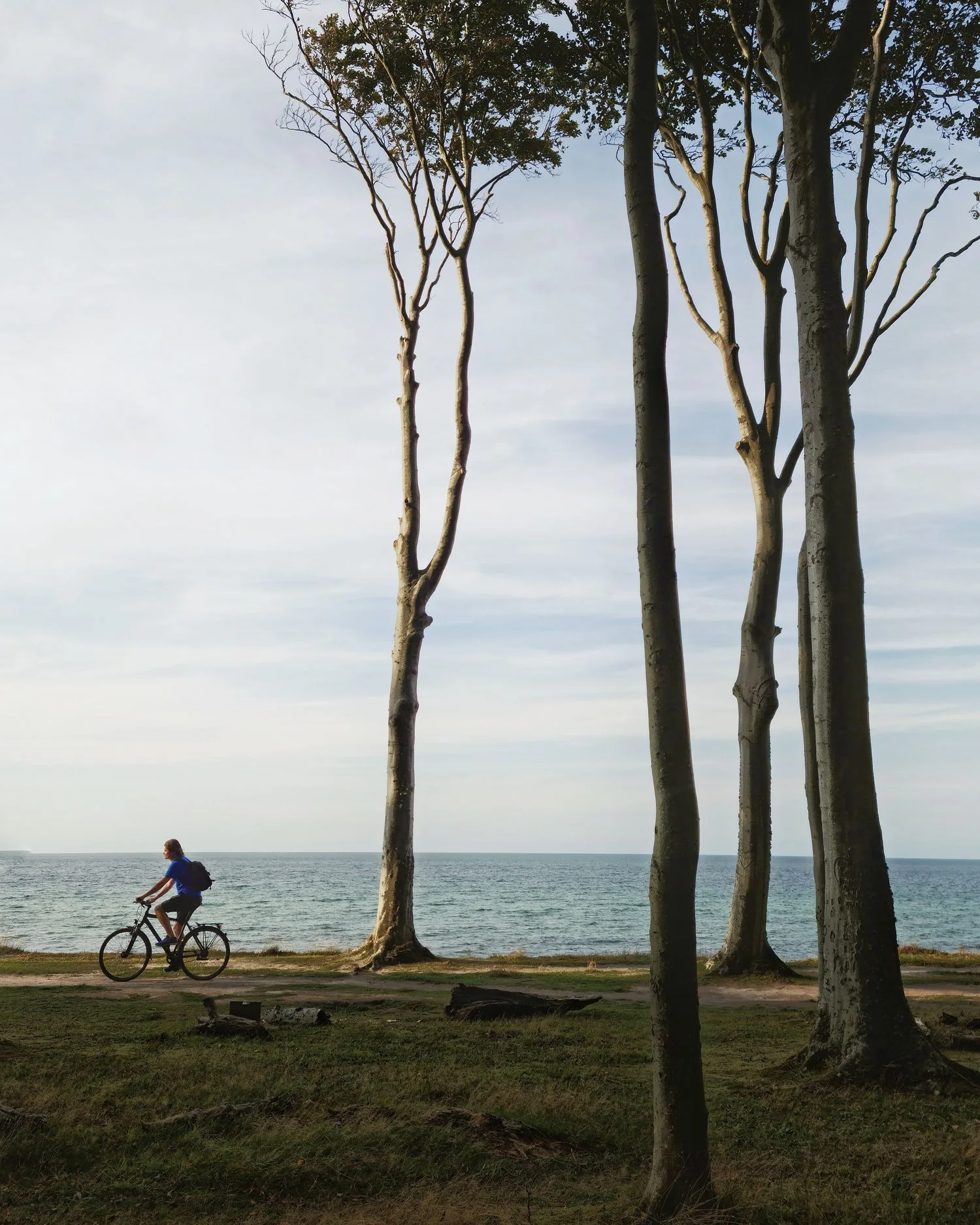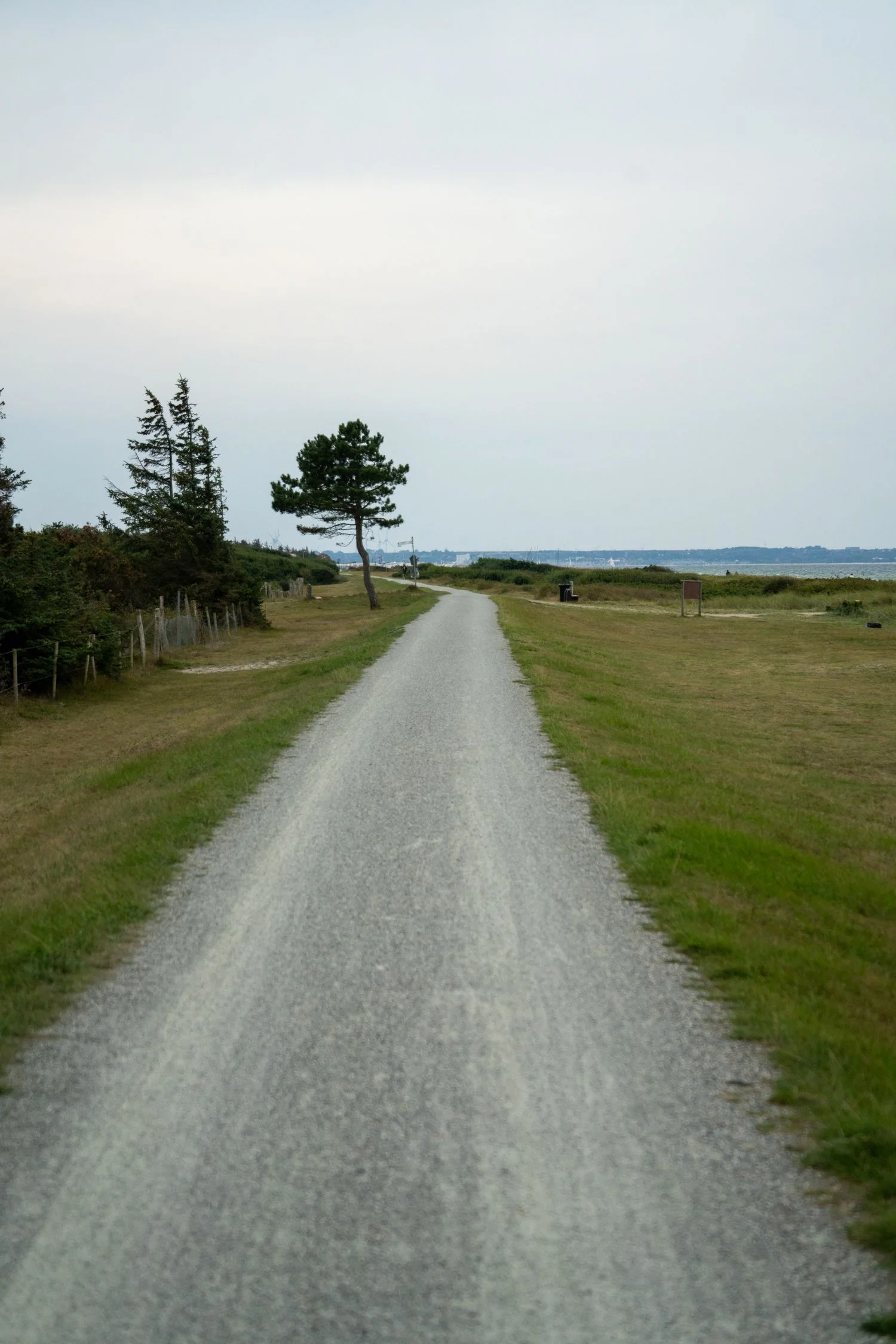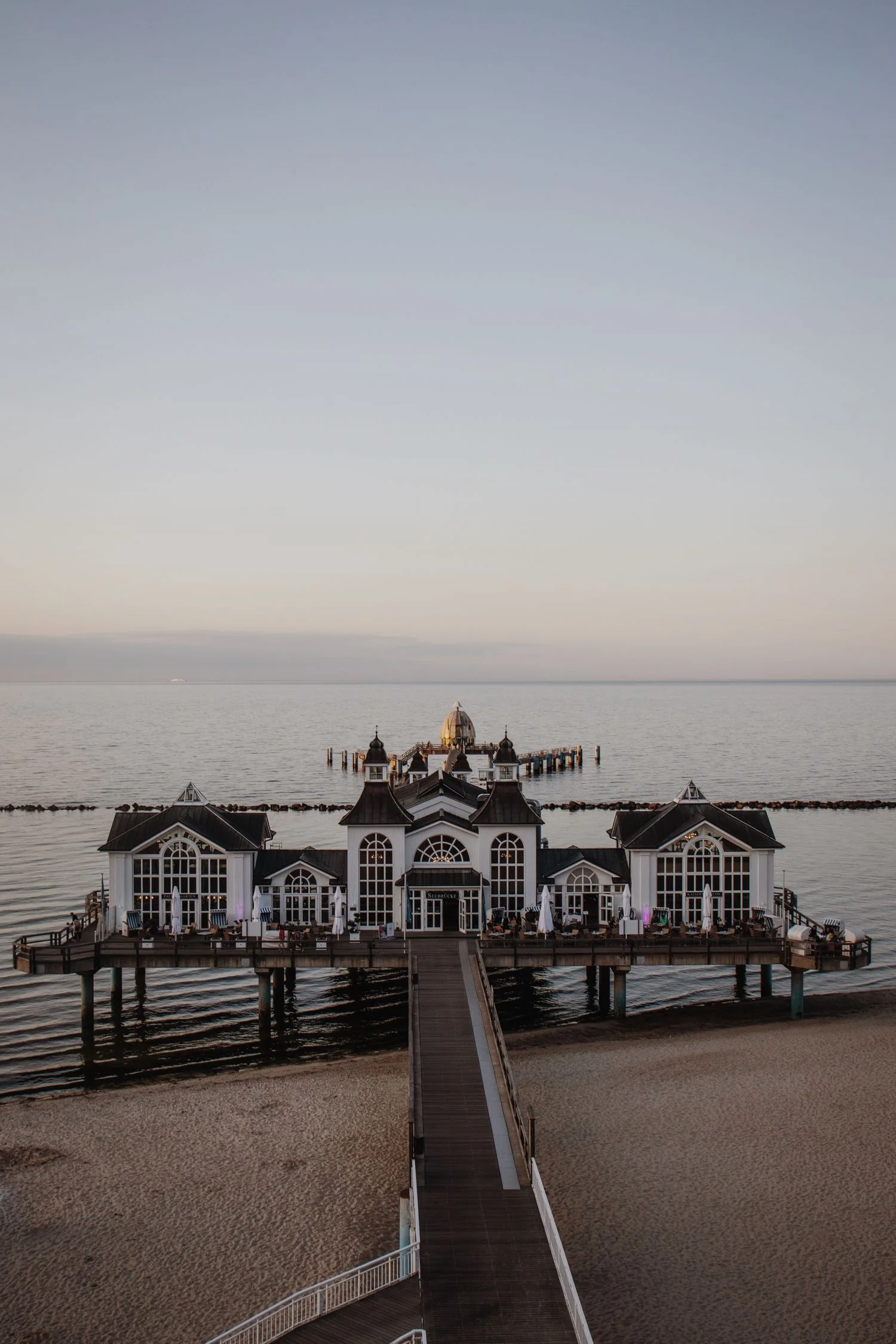
Photographing sunrise on the Baltic coast is easier when the main decisions are made the previous evening. Searching for an unfamiliar beach entrance, composition and camera settings simultaneously in darkness creates unnecessary difficulty. A brief daylight inspection often contributes more than extra equipment.
Check direction and access separately
Use a map to establish which way the intended beach faces. Not every section has an open eastern horizon. Bays, headlands and buildings alter the view. A sun-position display for the date and place helps with orientation but does not replace seeing the location. The point where the sun rises also shifts through the year.
Walk the authorised approach in daylight. Notice steps, uneven ground and the connection back to parking or the accommodation. A route that seems straightforward by day may be difficult to recognise before sunrise. If access appears to require crossing dunes or a barrier, choose another location, such as a public promenade or another permitted viewpoint.
Prepare one photograph rather than an entire beach
Find a foreground that works from a suitable position: a railing, a line in the sand or a distant silhouette. Consider how much sky and water to include. Identify a second nearby composition in case cloud hides the sunrise itself. The morning then does not depend on one perfect moment.
Check battery, memory card and camera operation. Prepare functions you will need in low light and bring only useful lenses. A tripod needs stable ground without obstructing the path. In wind, a long exposure may not be appropriate; do not improvise stability using material taken from protected areas.
Plan both the approach and the stay
Allow time for dressing, reaching the entrance and setting up without rushing. Sunrise time is not departure time. Bring another layer and a suitable small torch. Direct its beam along the path rather than into homes or at wildlife. Keep a charged phone available for navigation and contact instead of draining it entirely as a light source.
If going alone, leave understandable information about the destination and intended return. Postpone in strong wind, thunderstorms or closures. A photograph does not justify remaining near a cliff edge, on a closed breakwater or beside an uncertain water margin. Your position must remain suitable while attention is directed at the camera display for a period.
After sunrise, look back at the wider landscape before packing. Light on buildings or cloud may be more interesting than the sun itself. Save the images later and remove sand carefully from equipment. Preparation does not guarantee a spectacular photograph, but it provides a clear route, deliberate observation and an uncomplicated return for breakfast. Those benefits remain even when the sky differs from the forecast.
If others join, agree whether everyone will photograph or some simply want to watch the morning. A return time prevents one person waiting for ever-better light while companions become cold. Someone who finishes early should not be sent back alone along an unfamiliar dark route. A shared position with adequate room makes coordination easier. A second camera can use a slightly different composition; several tripods across a narrow crossing are not an appropriate arrangement. The morning remains a shared experience even when the resulting photographs differ.