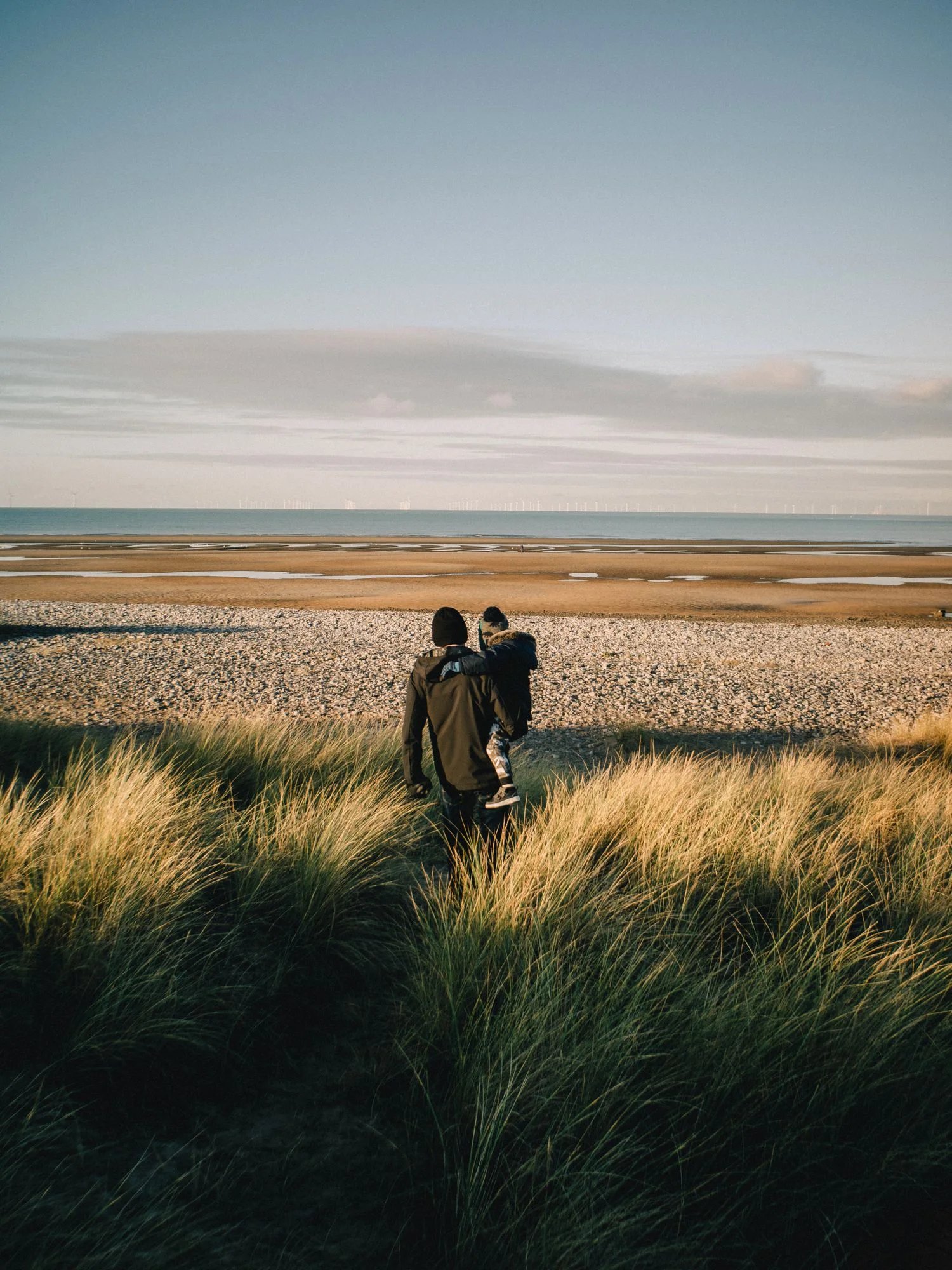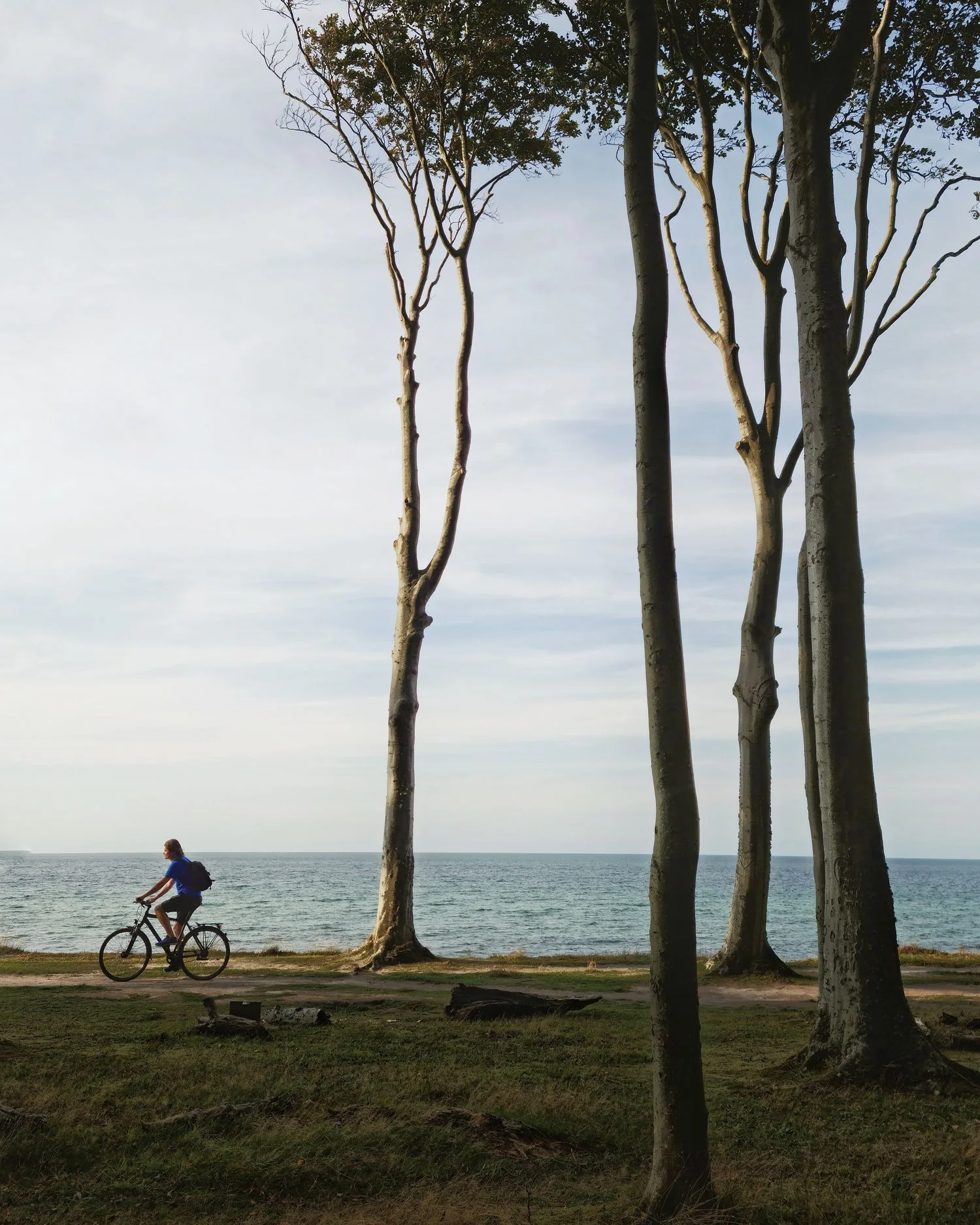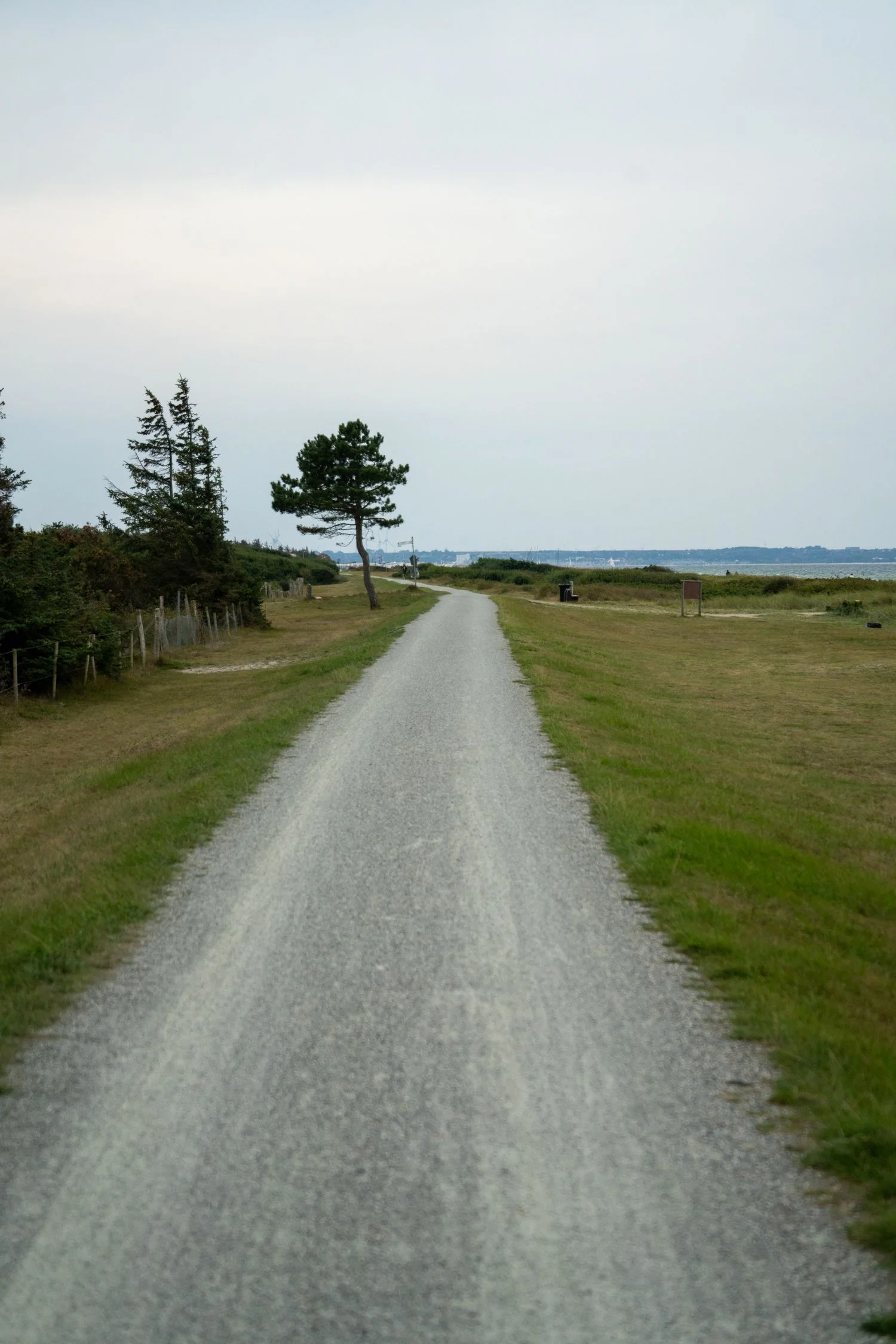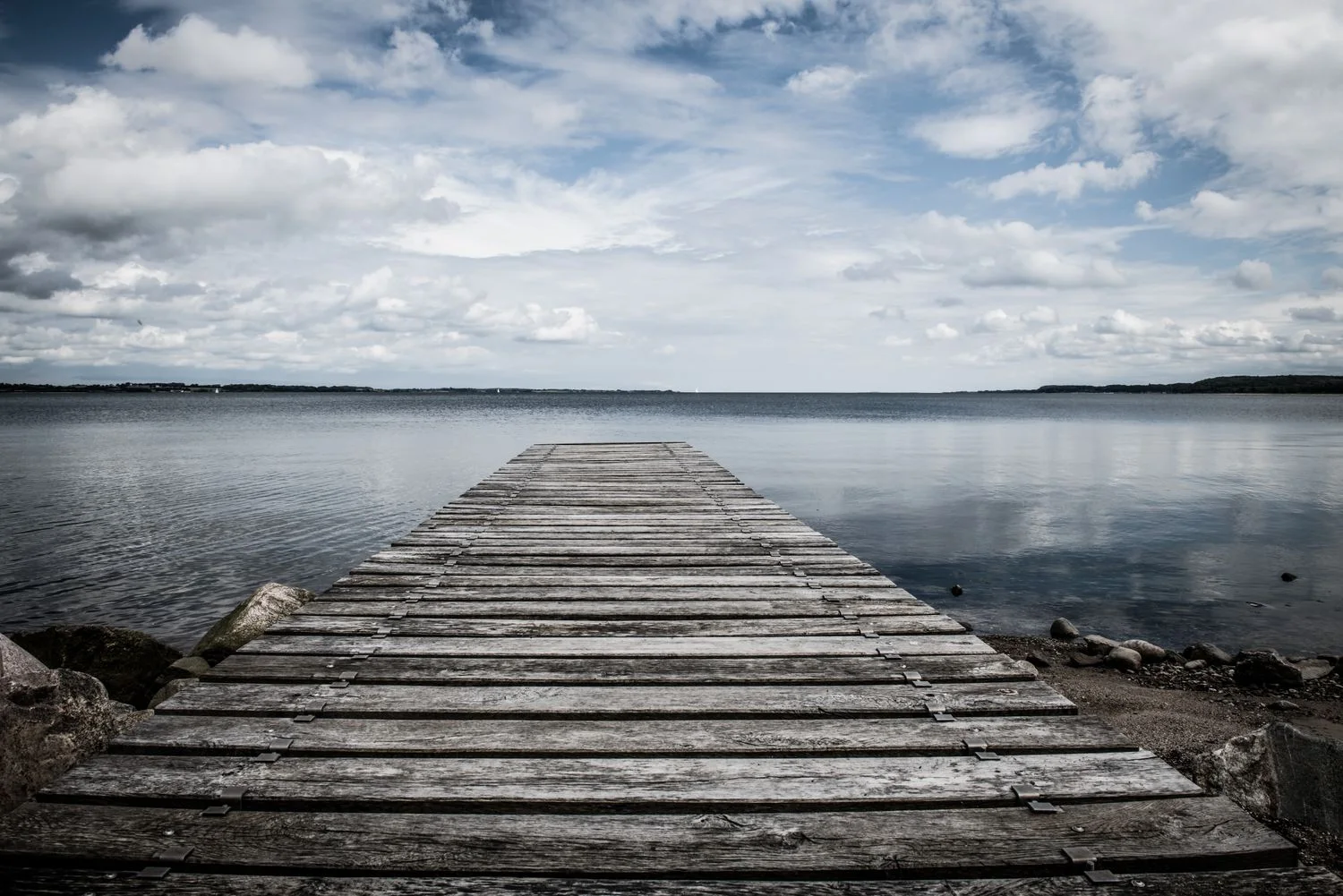
A waterside break does not have to take place at the shoreline itself. In protected areas, apparently empty ground may be important habitat. A designated rest place, path-side bench or public promenade often provides a more appropriate stop without sacrificing the view.
Choose the pause before tiredness arrives
Look on an official map for resting places or visitor areas. Do not assume you can turn towards the water wherever convenient. Reeds, dunes and undisturbed vegetation are not spare picnic space. Core zones have strict path requirements, and local signs may impose further limits.
A confirmed seat matters particularly for anyone needing regular rests. A landscape photograph does not establish that a bench exists or remains publicly accessible. Ask the tourist information office about a specific section where necessary. A lightweight personal seat is useful only where setting it up is permitted and does not obstruct anyone.
Rest without remaking the surroundings
Place bags on an appropriate existing surface. Do not flatten or remove plants to create more room. Keep paths passable. If the designated space is occupied, wait somewhere suitable or use another permitted option rather than creating a new clearing beside it.
Carry food in closed containers and remove rubbish afterwards. Do not feed birds or leave scraps, even if they appear biodegradable. Dogs remain on leads according to local rules and should not be taken into sensitive shoreline vegetation for a drink. Bringing drinking water makes the stop easier for everyone.
Watch time and weather. A peaceful seat can encourage underestimating the return journey. Begin leaving in good time if wind increases or visibility deteriorates. A break belongs within the route rather than outside its planning. When the authorised resting place is a little farther from the water, that distance may open a broader view of the landscape. Being close to nature does not depend on how far your feet enter the places where wildlife needs to remain undisturbed.