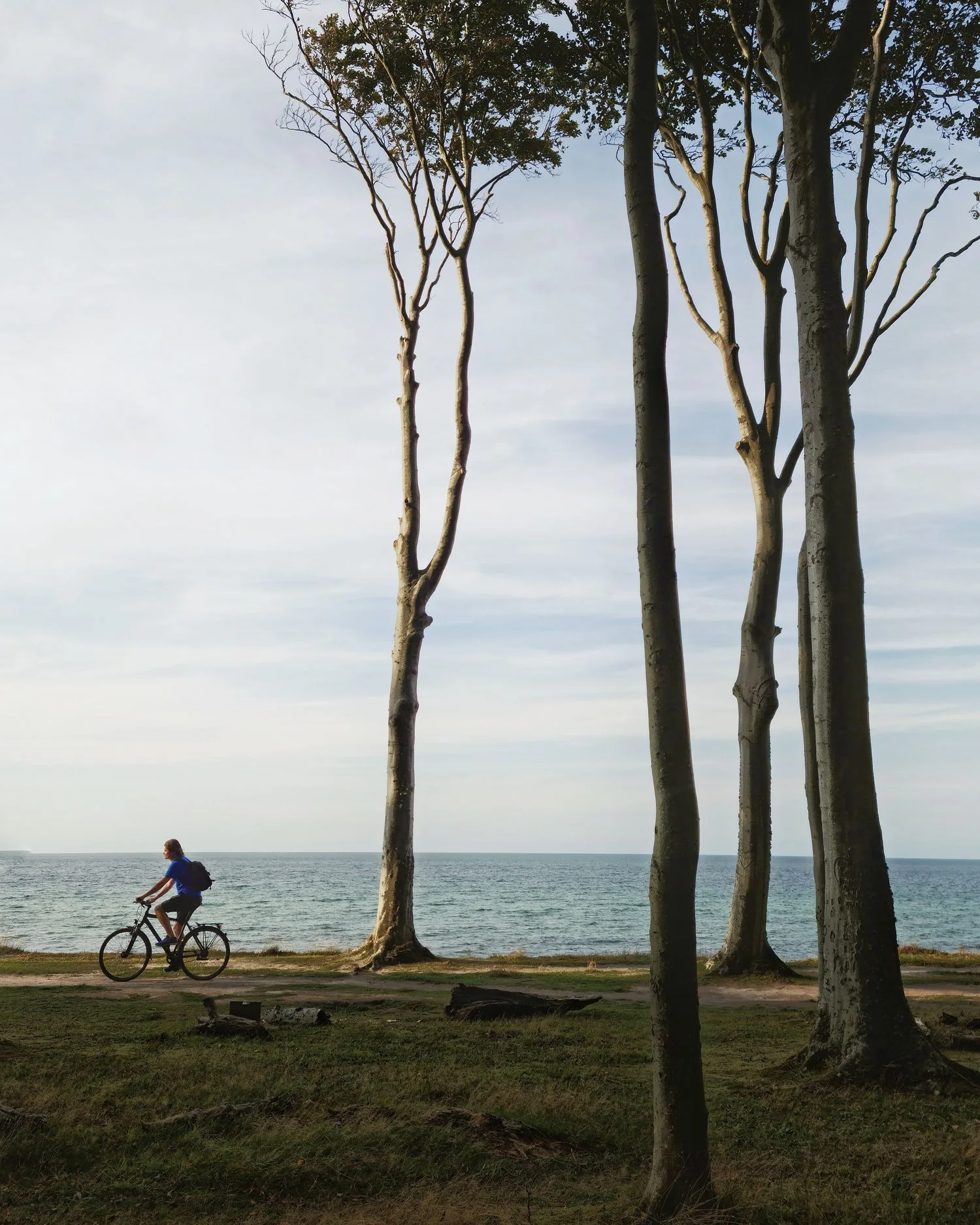
Combining regional trains and bicycles can extend the reach of a Baltic holiday. It requires more than a suitable passenger ticket, however. Bicycle fares, space, transfers and the route through stations must be considered together. For a linear ride, getting home with the bicycle on board is a central part of the plan.
Check the person and the bicycle separately
Deutsche Bahn explicitly states that the Deutschland-Ticket does not generally include bicycle carriage. Regional, transport-association and operator rules apply. Arrangements on one section may differ from those on the next. Check the complete connection rather than only the first train.
In Schleswig-Holstein, NAH.SH describes different bicycle tickets and their areas of validity. A route-specific day ticket and a network ticket are not interchangeable. Confirm current prices and conditions before buying. If travelling beyond one tariff area, establish whether the chosen ticket remains valid. A recollection from a previous holiday is not enough.
A ticket is not always a space guarantee
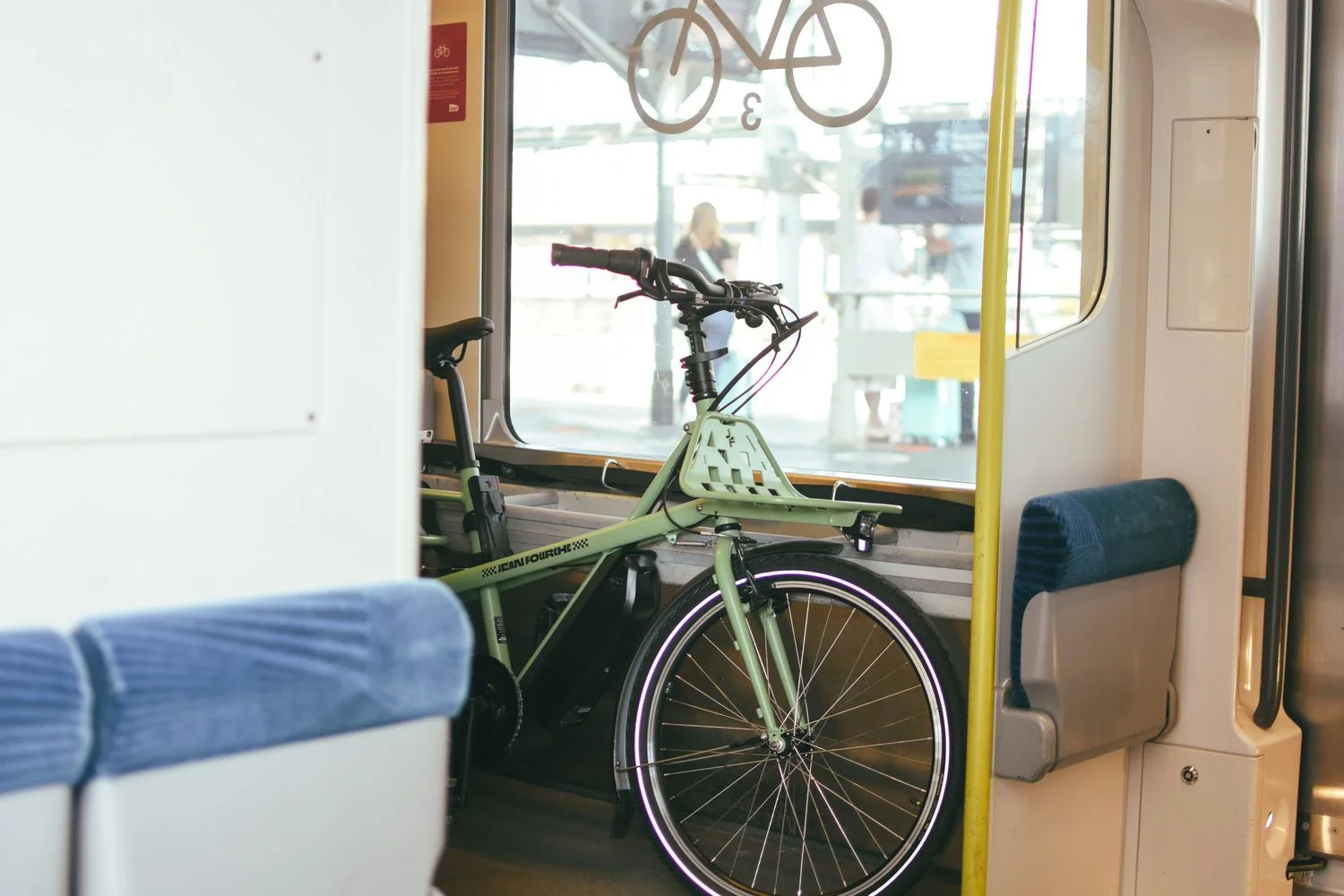
Regional trains have limited multipurpose areas. Carriage depends on the applicable rules and available capacity. Pushchairs and wheelchairs may have priority. Do not assume several bicycles will fit together on every service regardless of demand. Read notices about heavy bicycle traffic and possible time restrictions.
The distinction from long-distance services matters. Those may require both a bicycle ticket and a space reservation. On a journey combining regional and long-distance trains, check and book each section appropriately. A reserved space on one train does not create space on the regional service before it. Make the whole sequence understandable.
Treat the station as part of the route
Check how to reach the platform with a bicycle. Lifts may be small, unavailable or subject to queues. A heavy e-bike with luggage cannot casually be carried over every staircase. Several bicycles create additional movements and coordination. A transfer that barely works on foot is not automatically suitable for a cycling group.
Remove bags before boarding where necessary for the designated storage arrangement, and keep doors clear. Follow staff instructions. Secure the bicycle so it cannot fall or obstruct others. At transfers, watch for platform changes rather than relying entirely on the connection saved earlier.
Build a credible return
Suppose you take a morning train to a starting point and then cycle back to the accommodation. Capacity problems become apparent at the beginning, when the ride can still be shortened or started elsewhere. A long ride followed by a compulsory evening train return can be more difficult if only one service remains. Both approaches are possible, but the latter needs more reserve.
Where possible, choose a return before the final service and identify another option. It must genuinely accommodate a bicycle; a replacement bus does not automatically do so. Operator notices become particularly important during engineering work or rail-replacement arrangements. A rental-shop contact or agreed collection can form part of the plan, but should not be assumed to be a promised service.
For a first combined outing, a simple transfer and manageable cycle section are enough. Larger trips can follow once the process is familiar. The train should make the day easier. If returning depends on several unconfirmed assumptions, a shorter circuit from the accommodation may be more enjoyable and leaves more of the day available for the coast itself.